Golden Shores and Island Life
Misty Highlands and Tea Country
Ancient Kingdoms and Living History
Wild Fronter and Eco Sanctuaries
Sacred Trails and Cultural Heartlands
Colonial Echoes and Heritage Towns
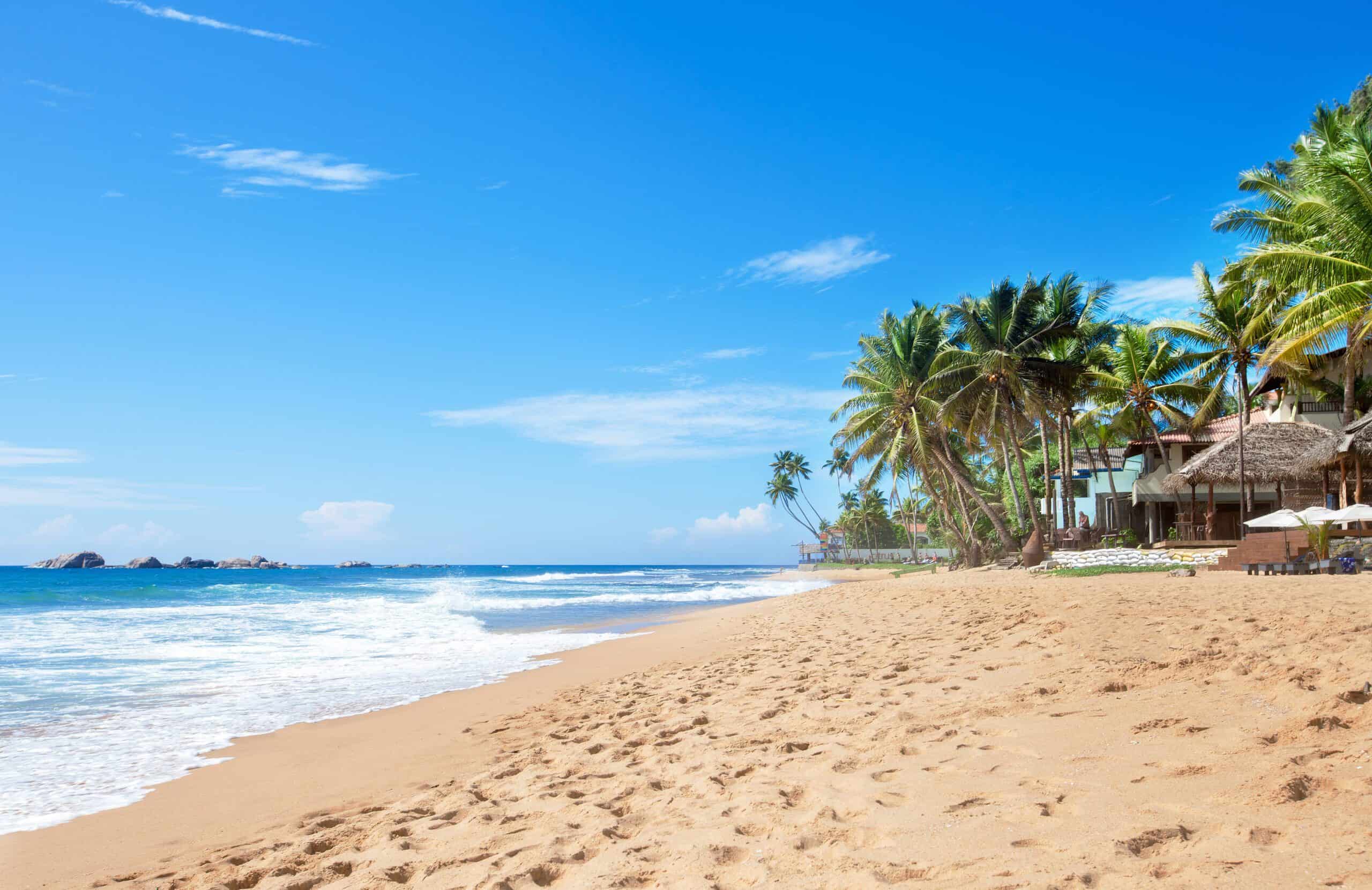
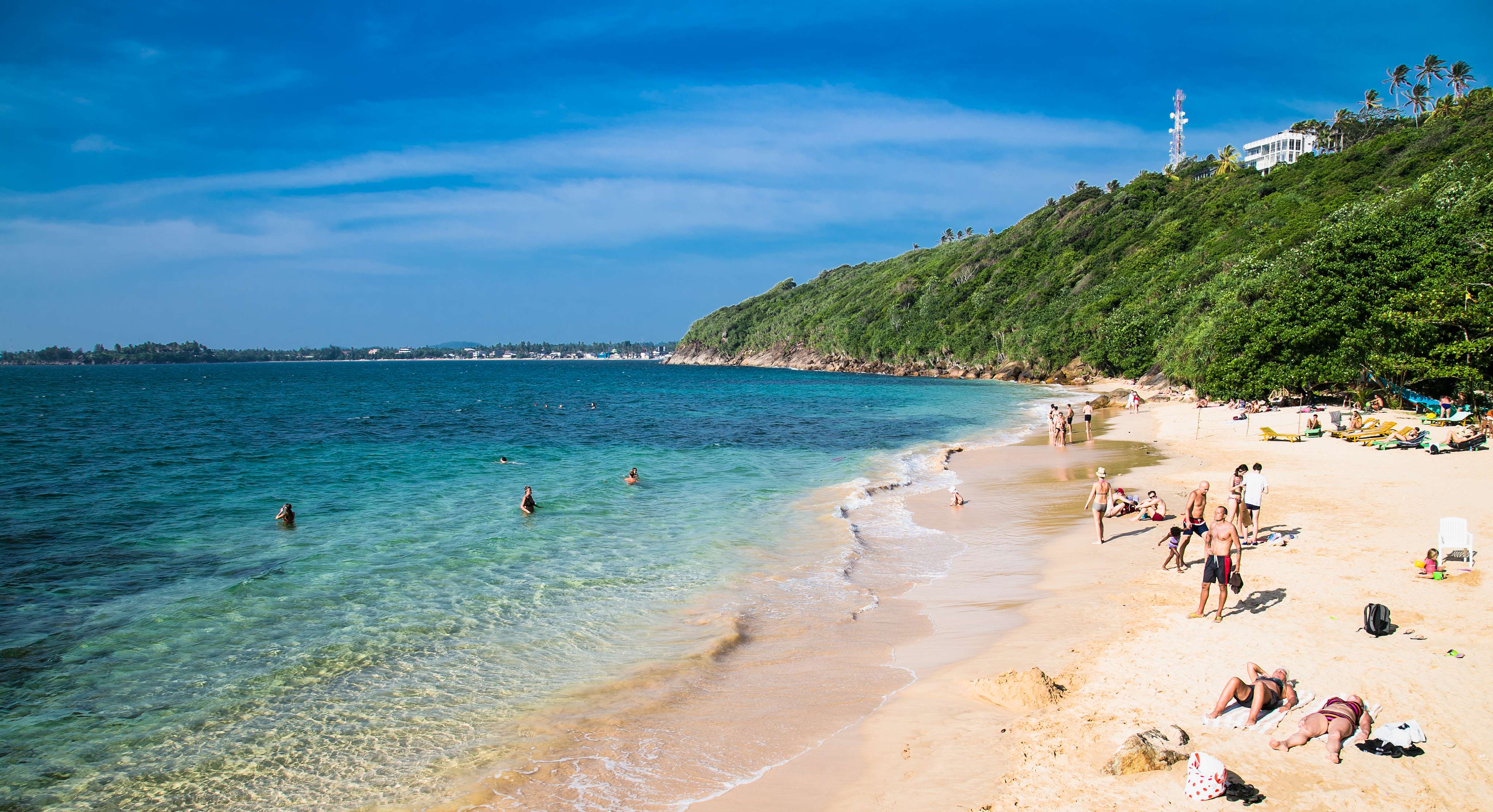
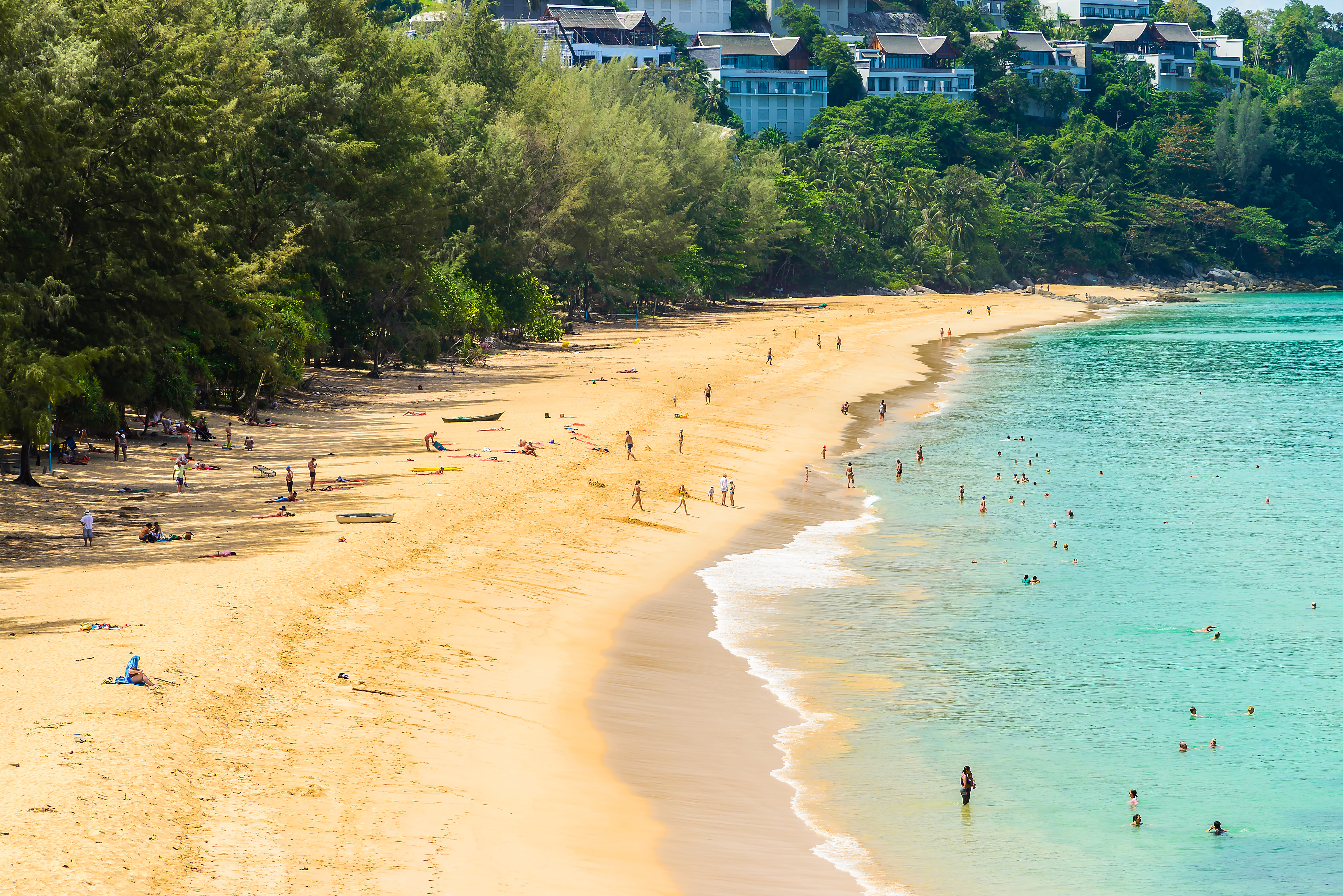
Beaches, lagoons and coastal villages shaped by the rhythm of the ocean and local life.
Mirissa
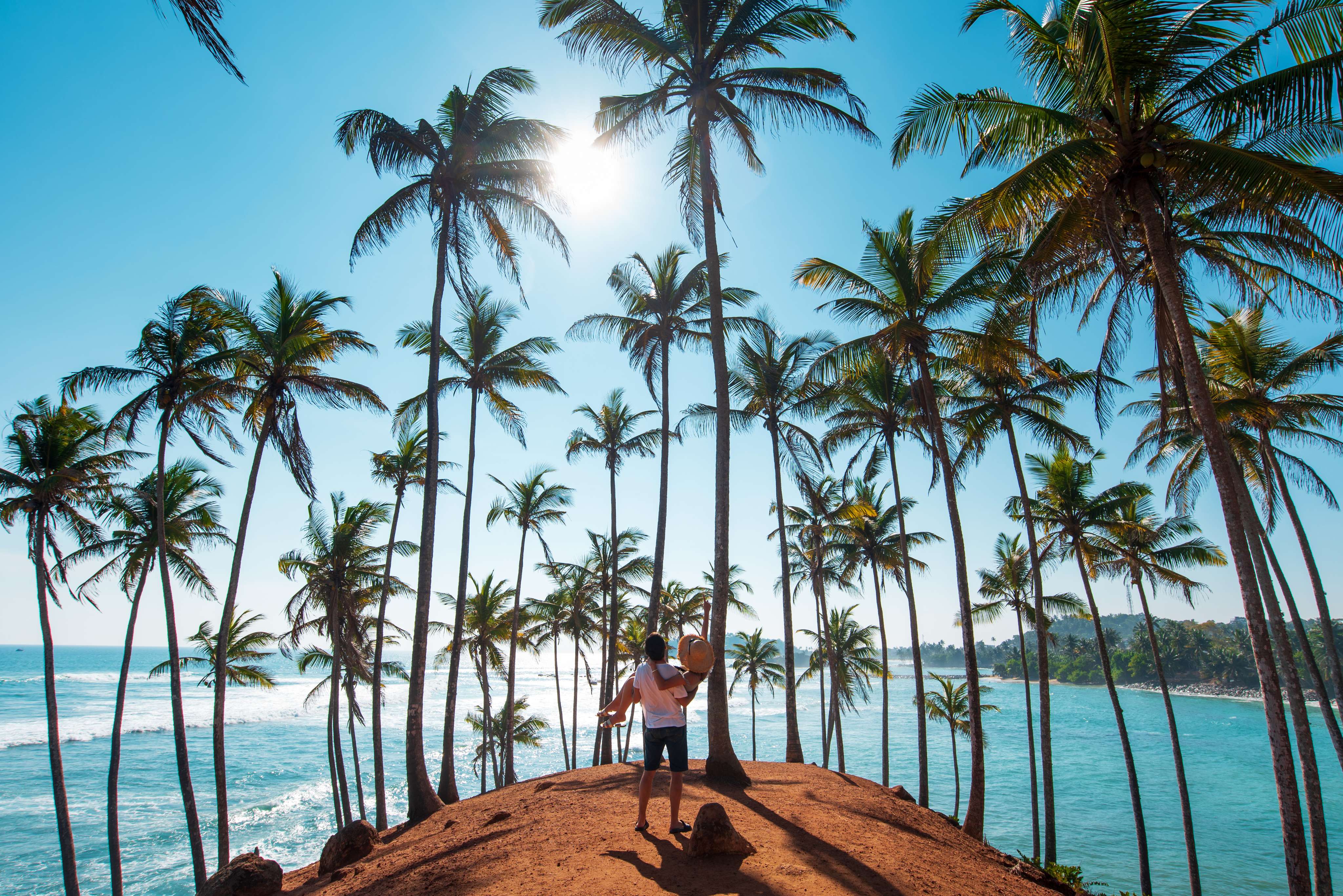
Mirissa is a serene coastal haven that balances adventure with tranquillity. As the premier destination for whale and dolphin watching, it offers the breathtaking chance to see the giants of the ocean in their natural habitat. With its palm- fringed “Coconut Tree Hill” and hidden snorkelling coves, it remains a quintessential postcard of Sri Lankan tropical beauty.
Hiriketiya
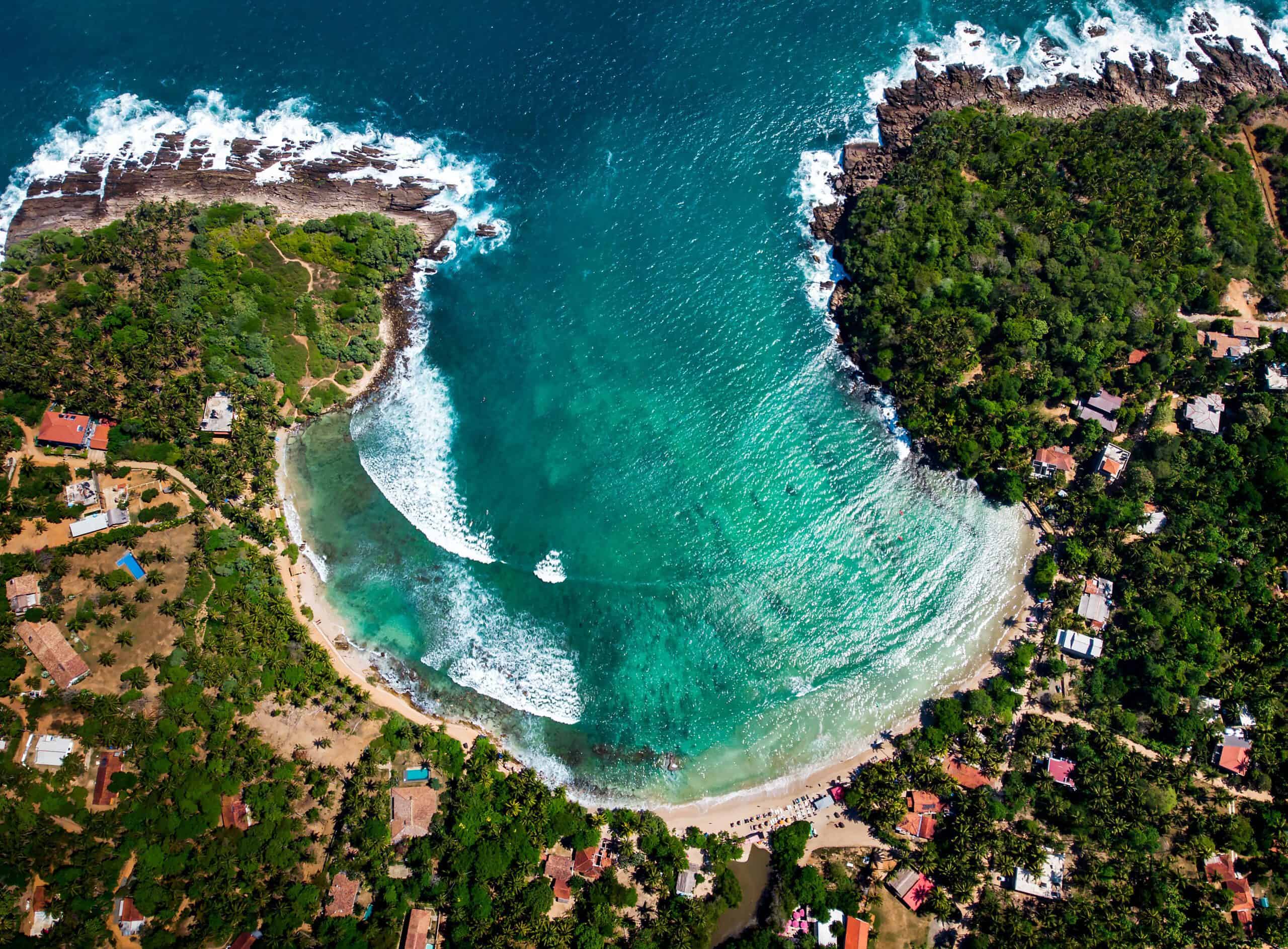
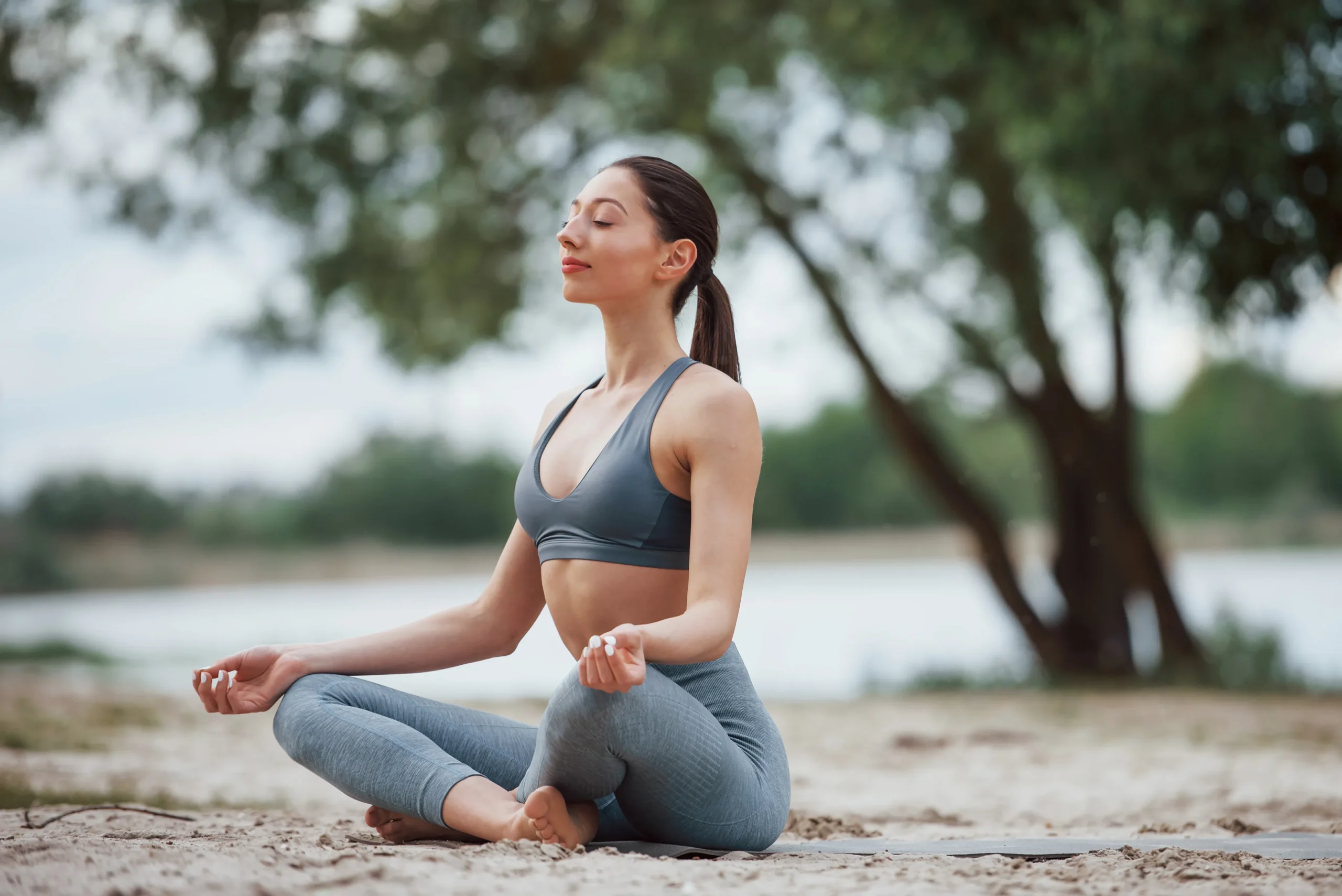
Hidden within a lush horseshoe bay, “Hiri” is the island’s best-kept secret for unconventional luxury. The jungle creeps right down to the shoreline, creating a secluded atmosphere where surfers and yogis coexist in a laid-back harmony. Its unique geography provides gentle waves for beginners and a powerful point break for the experienced, all within a single, stunning cove.
Nilaveli
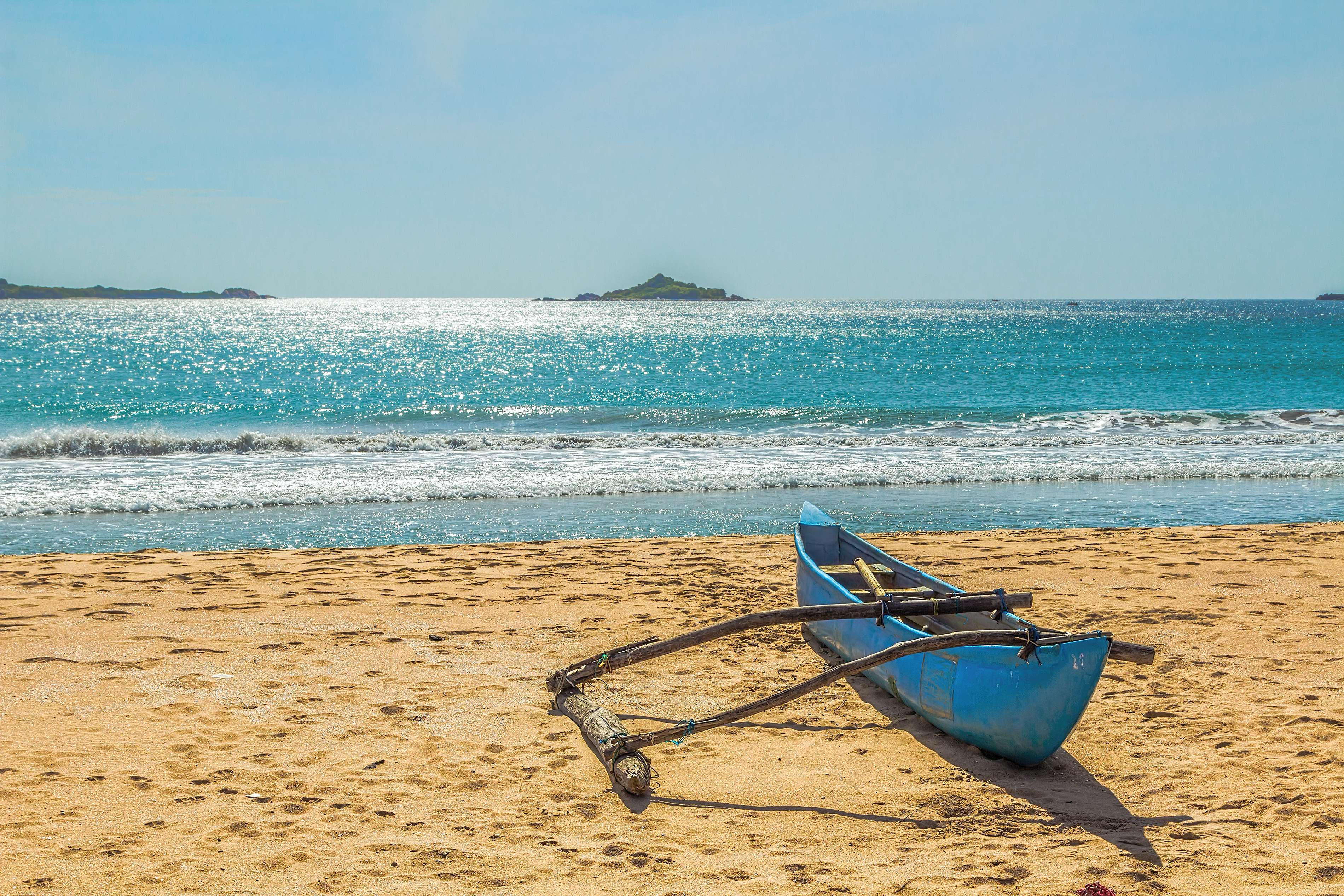
Meaning “moonlit open space,” Nilaveli represents the pristine, untouched beauty of the East Coast. Its wide, white-sand beaches and crystal-clear waters offer a rare sense of privacy.
As the gateway to Pigeon Island National Park, it is a premier destination for snorkelling among vibrant coral gardens and reef sharks in a truly serene setting.
Kalpitiya
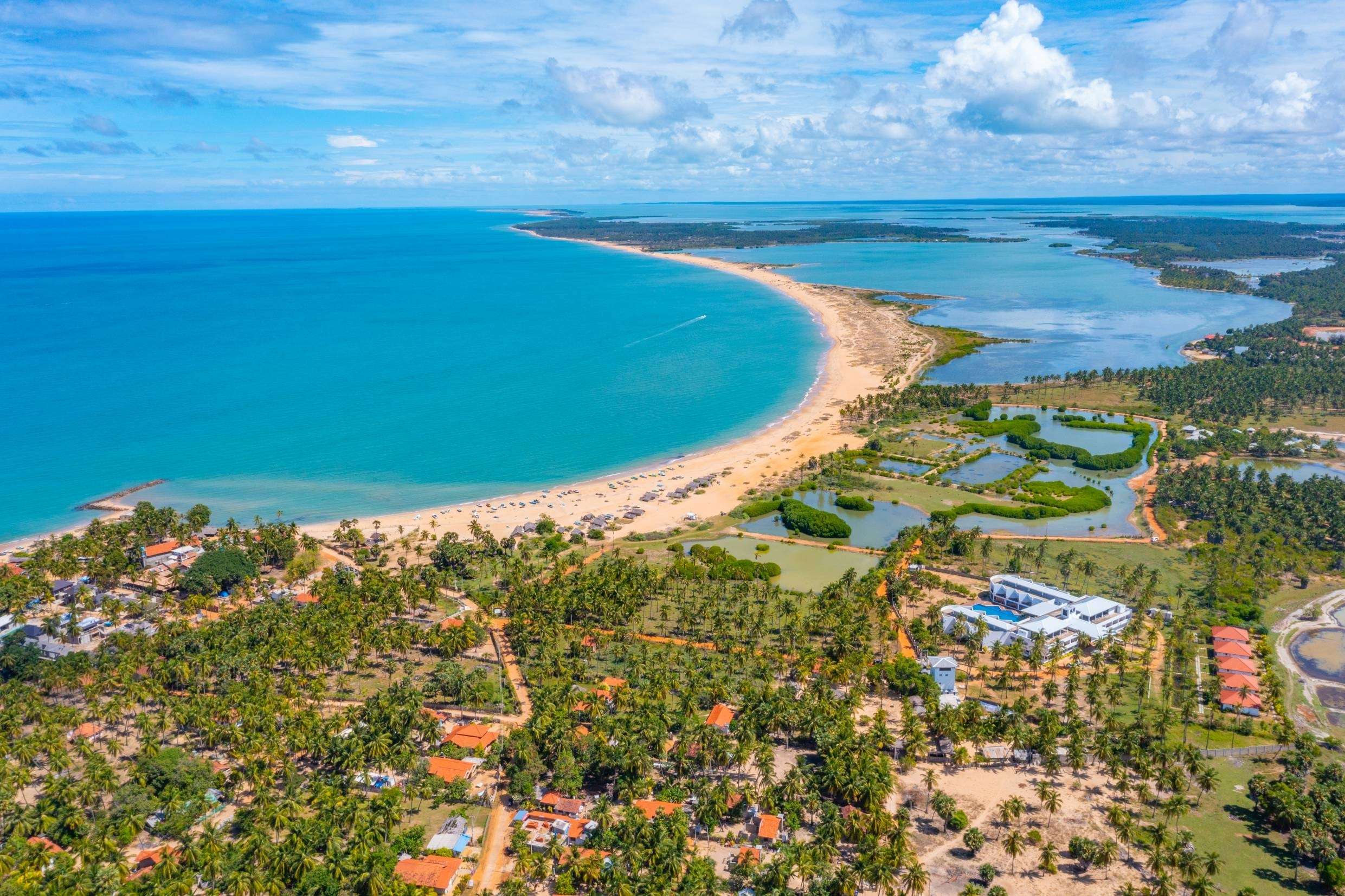
A rugged peninsula between the lagoon and the deep sea, Kalpitiya is a frontier for adventure and nature enthusiasts. It is world- renowned as a kitesurfing mecca and a hotspot for massive pods of spinner dolphins. With its deserted sand dunes and small fishing islets, it offers a raw, authentic experience far removed from the typical tourist trail.
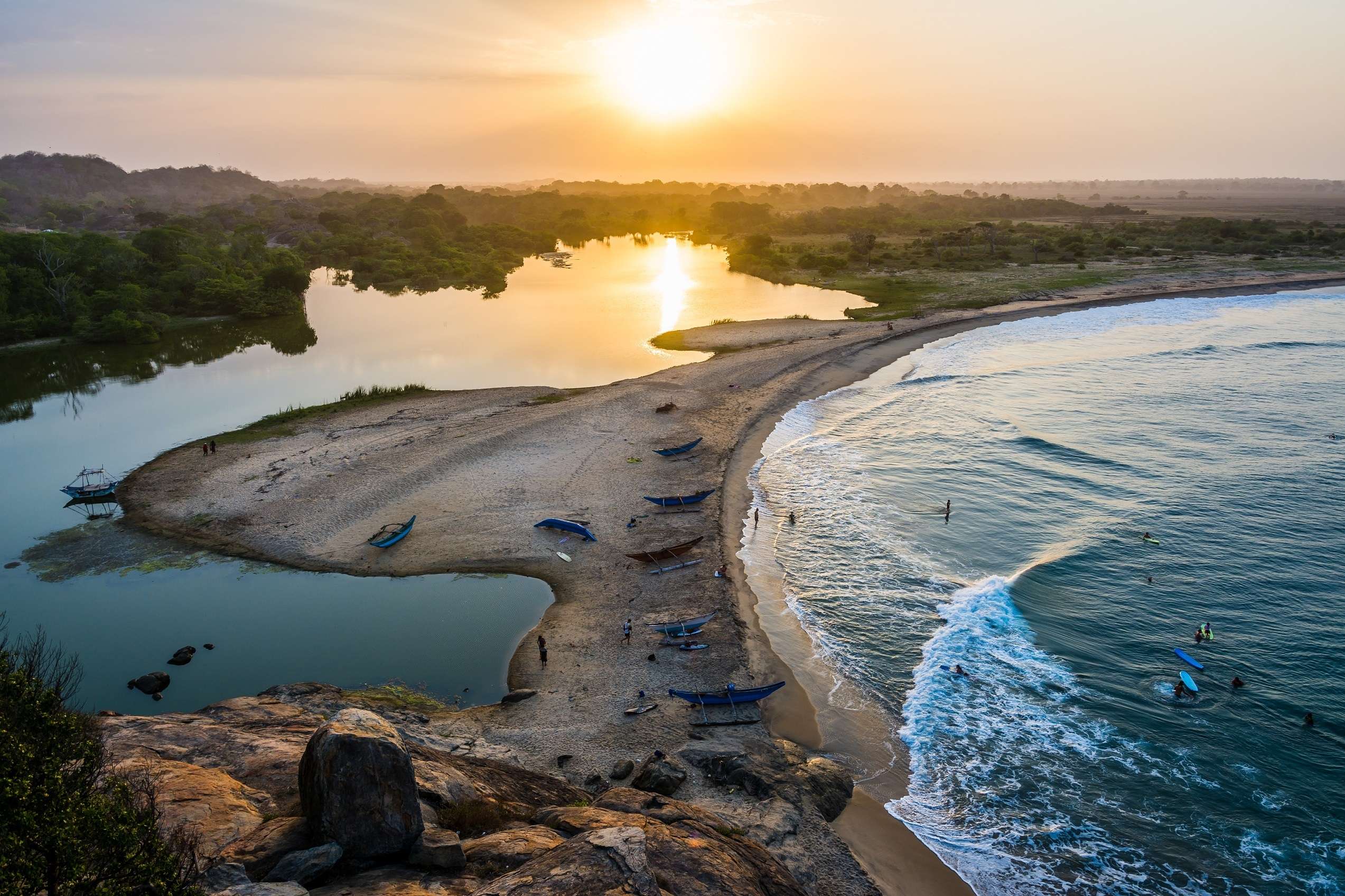
Arugam Bay
The heartbeat of Sri Lanka’s surf culture, “A- Bay” is a legendary destination with a global reputation. During the season, this East Coast town transforms into a vibrant hub of surfers, explorers and late-night beach bonfires. Its proximity to Kumana National Park means you can transition from world-class point breaks to wild elephant sightings in a single afternoon.
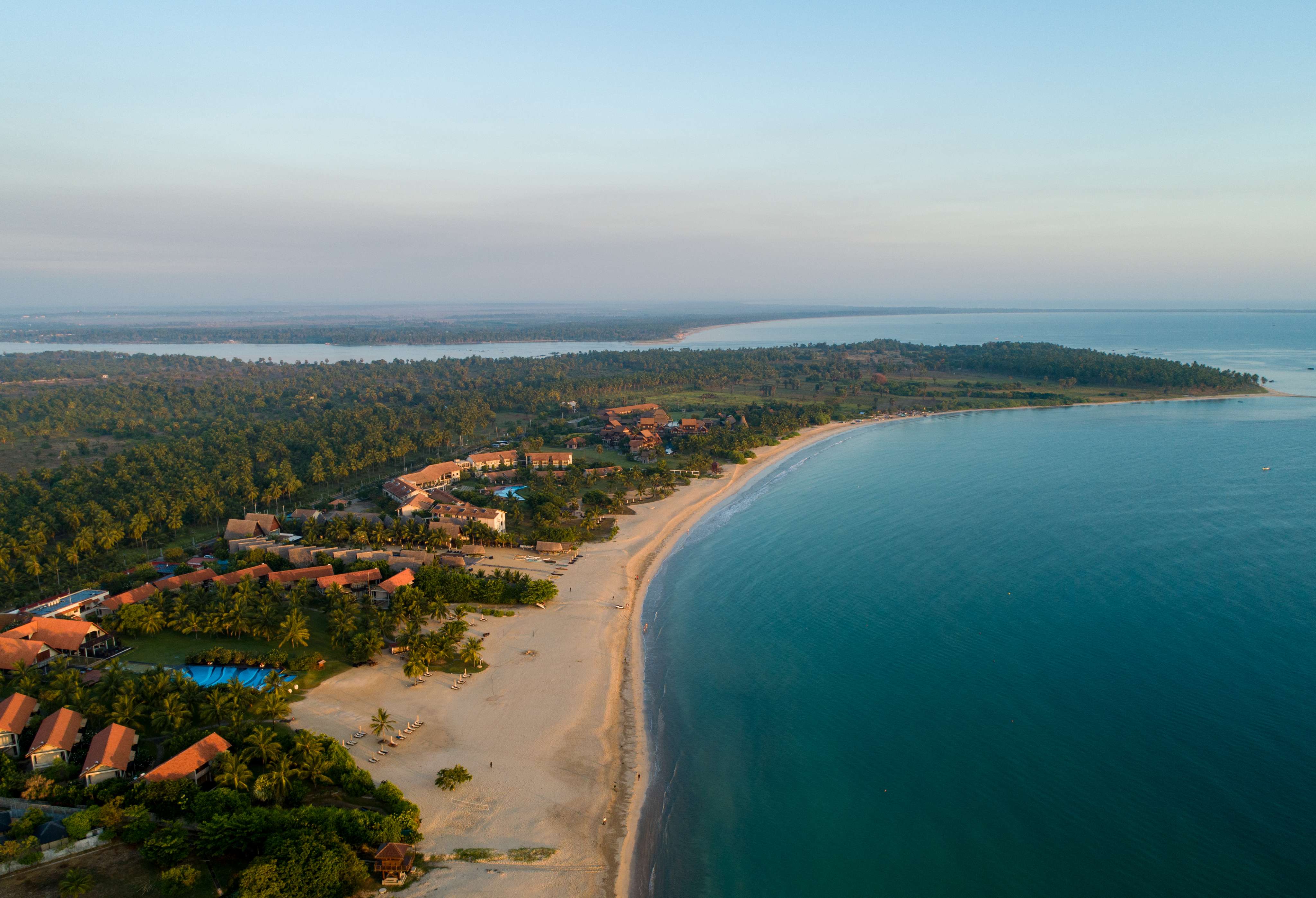
Pasikuda
Renowned for its long stretch of shallow coastline, Pasikuda is a natural swimming pool of calm, glass-like water. This bay is an enclave of luxury, where high-end resorts line the shore, making it an ideal retreat for families and those seeking a safe, indulgent escape. It is the epitome of tranquil, azure- blue relaxation.
Marawila
A peaceful coastal town tucked away on the northwest coast, Marawila offers a quiet retreat amidst vast coconut plantations. Famous for its traditional batik industry and soft, uncrowded beaches, it offers a glimpse into the island's authentic rural rhythm. It is the perfect choice for those looking to unwind in a landscape defined by simplicity and soulful local hospitality.
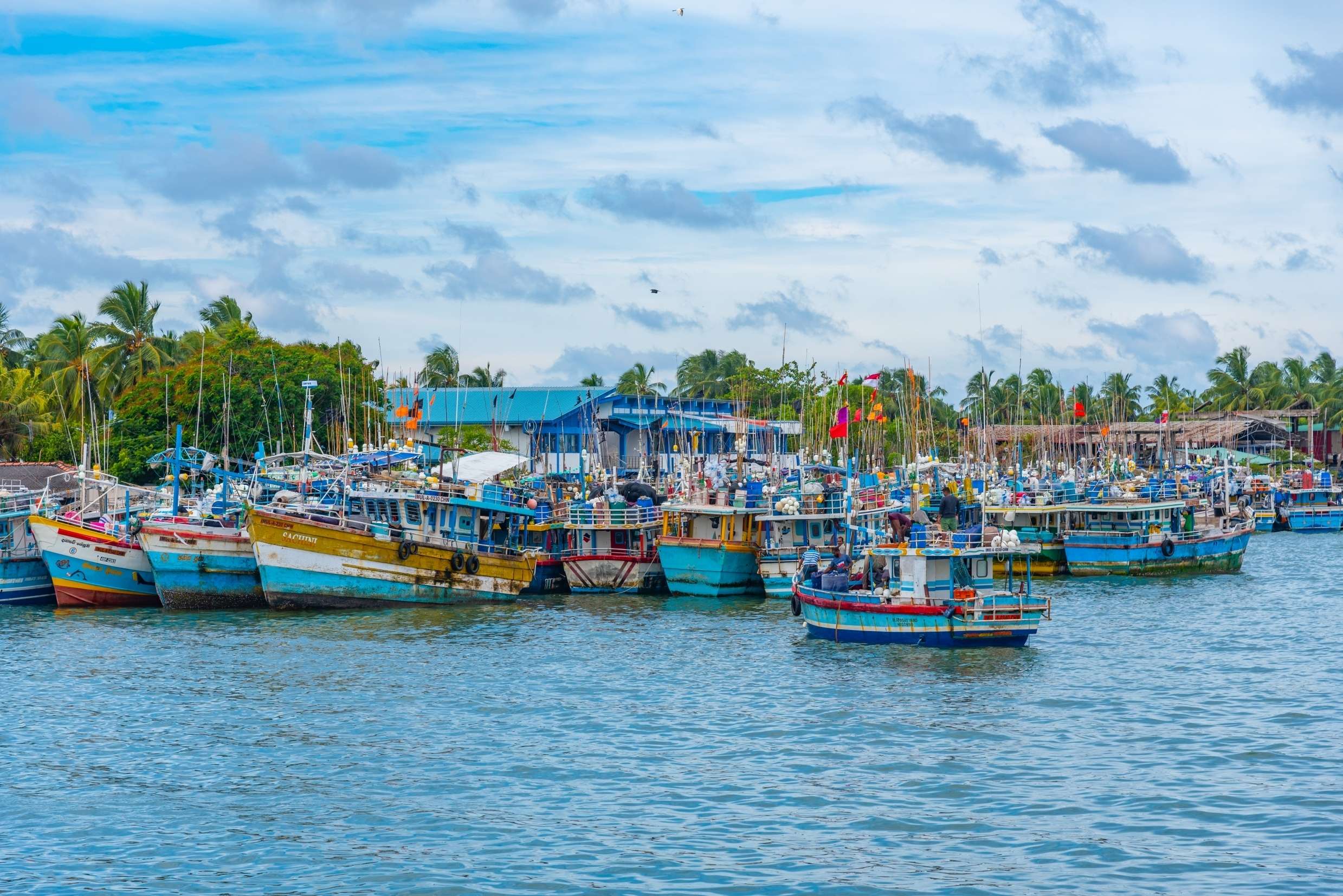
Negombo
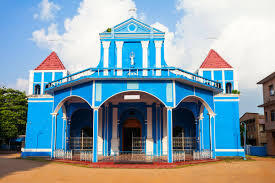
Fondly known as “Little Rome” for its iconic colonial-era churches, Negombo is a vibrant introduction to island life. Beyond its proximity to the airport, it offers a rich tapestry of Dutch canals, a bustling traditional fish market, and golden sands that glow at sunset. It is the perfect starting point to witness the age-old connection between the Sri Lankan people and the sea.
Unawatuna
A crescent-shaped paradise of turquoise waters and golden sand, Unawatuna is the soul of the southern coast. This lively beach town is famous for its swimmable bays, coral reefs teeming with marine life, and a spirited atmosphere of beachside cafes. It offers a perfect blend of relaxation and vibrant social energy, framed by the nearby historic ramparts of Galle.
Ahangama
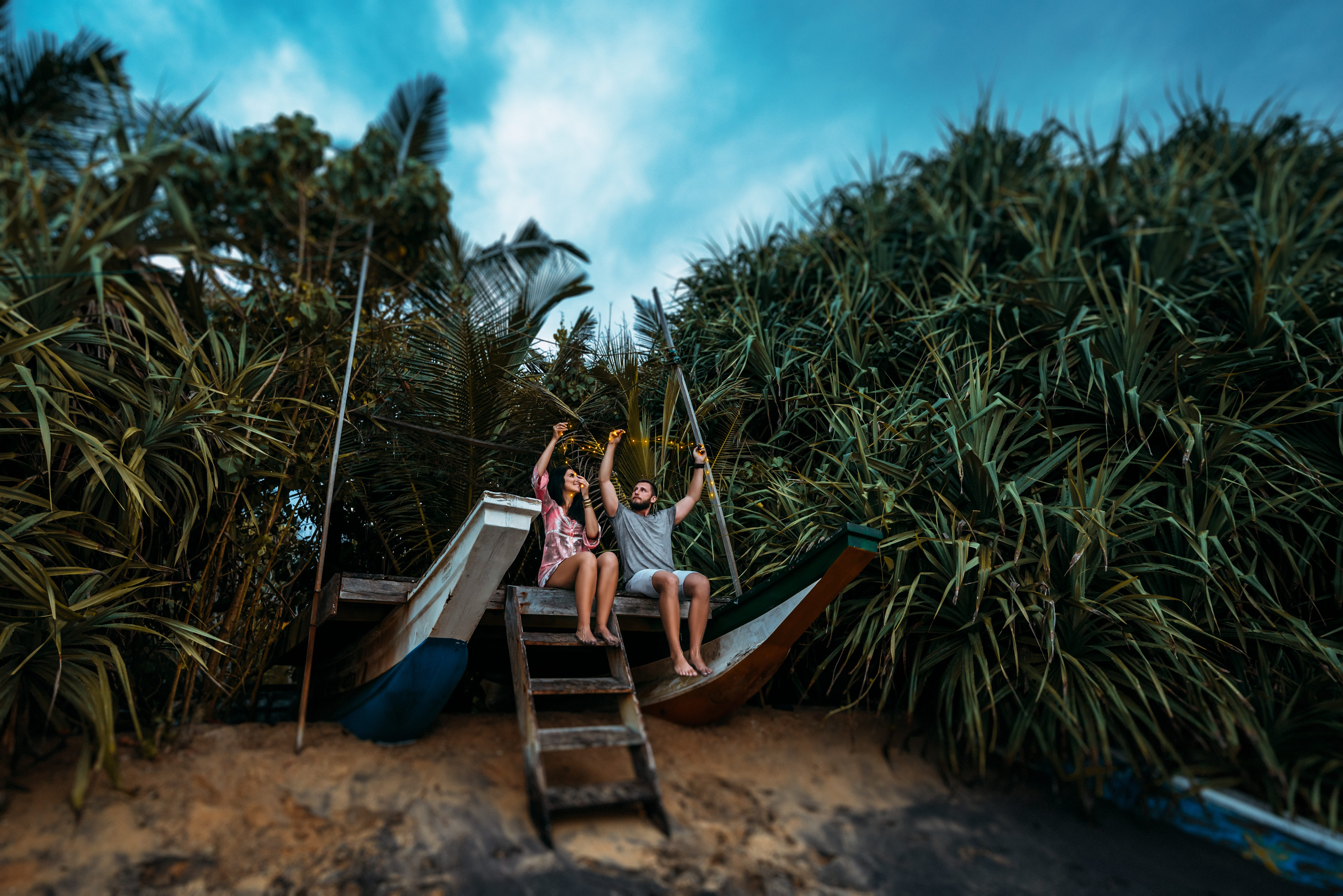
Ahangama is where unpolished charm meets a burgeoning boutique scene. Known for its iconic stilt fishermen and world- class “secret” surf breaks, it has become a sanctuary for free spirits and creative nomads. Here, the pace of life slows down, allowing you to immerse yourself in a community that values authenticity and the simple joys of salt, sand and sun.
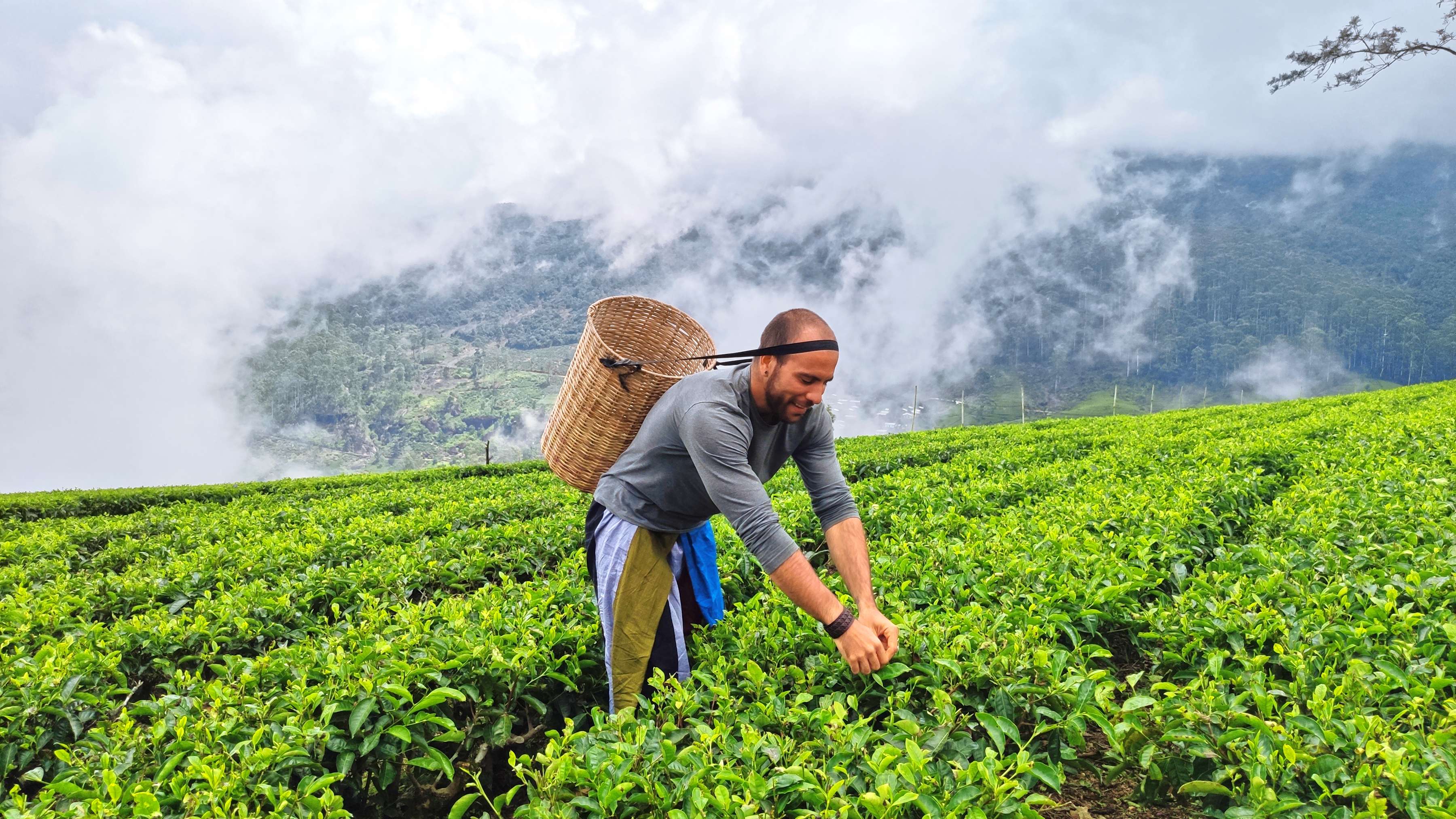
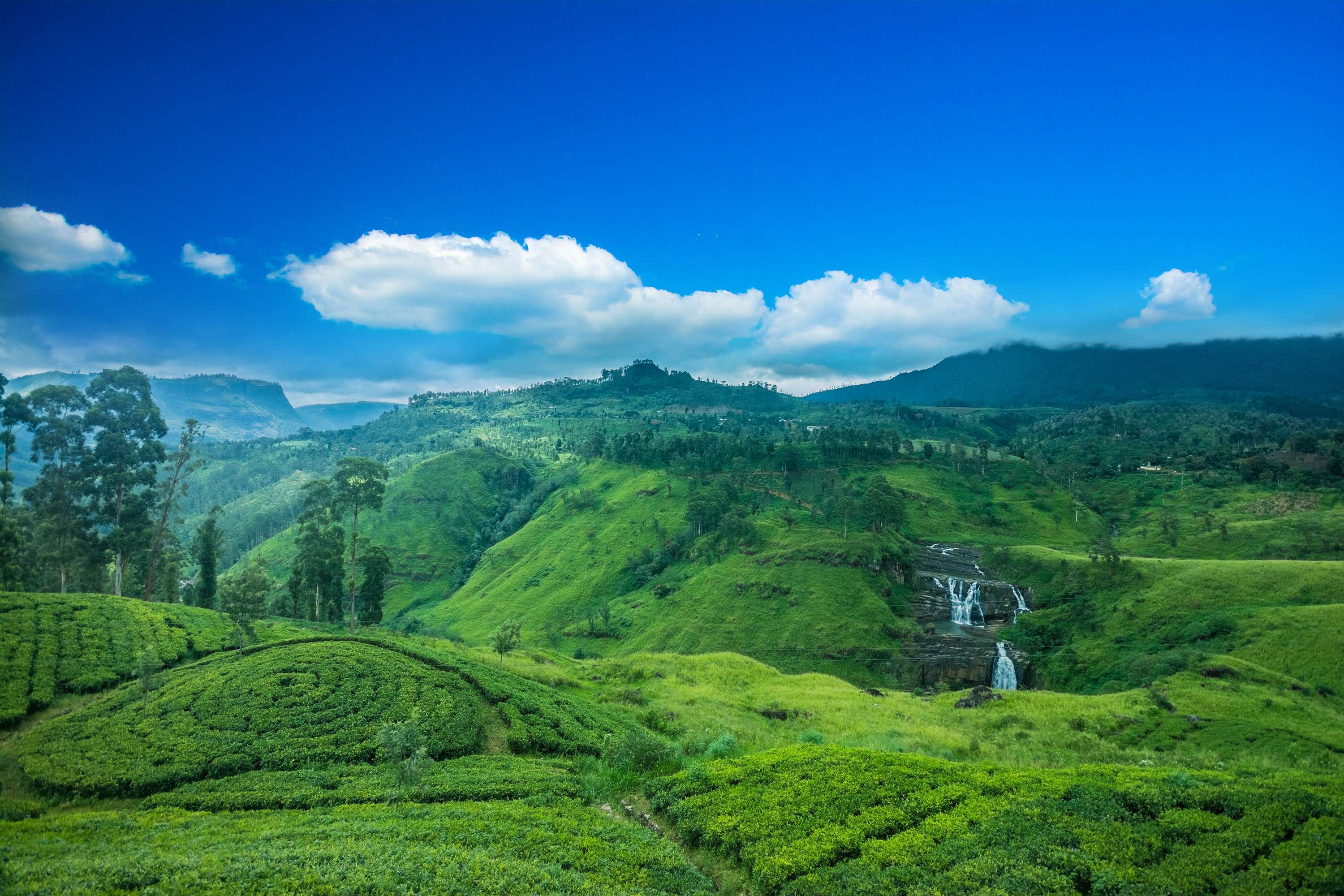
A tale of emerald slopes, colonial nostalgia, and the crisp air of the central hills.
Nuwara Eliya
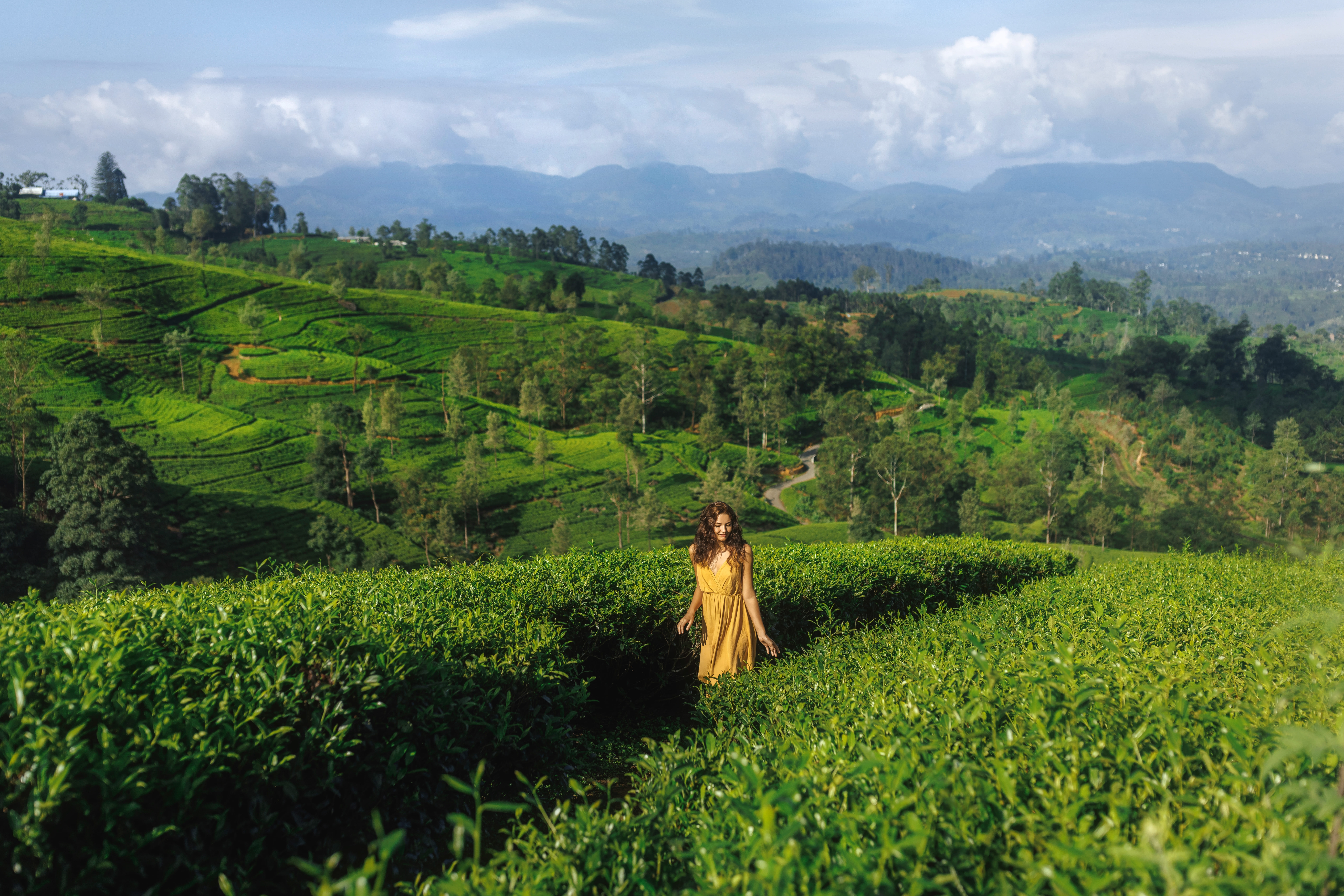
Often referred to as “Little England”, Nuwara Eliya is a charming throwback to the colonial era, nestled in the heart of the tea industry. With its Tudor-style bungalows, manicured rose gardens, and the mist-covered Lake Gregory, it offers a cool, temperate escape from the tropical heat. Here, the “slow-growing” tea bushes produce the world’s finest Orange Pekoe, best enjoyed during a traditional afternoon cream tea.
Haputale
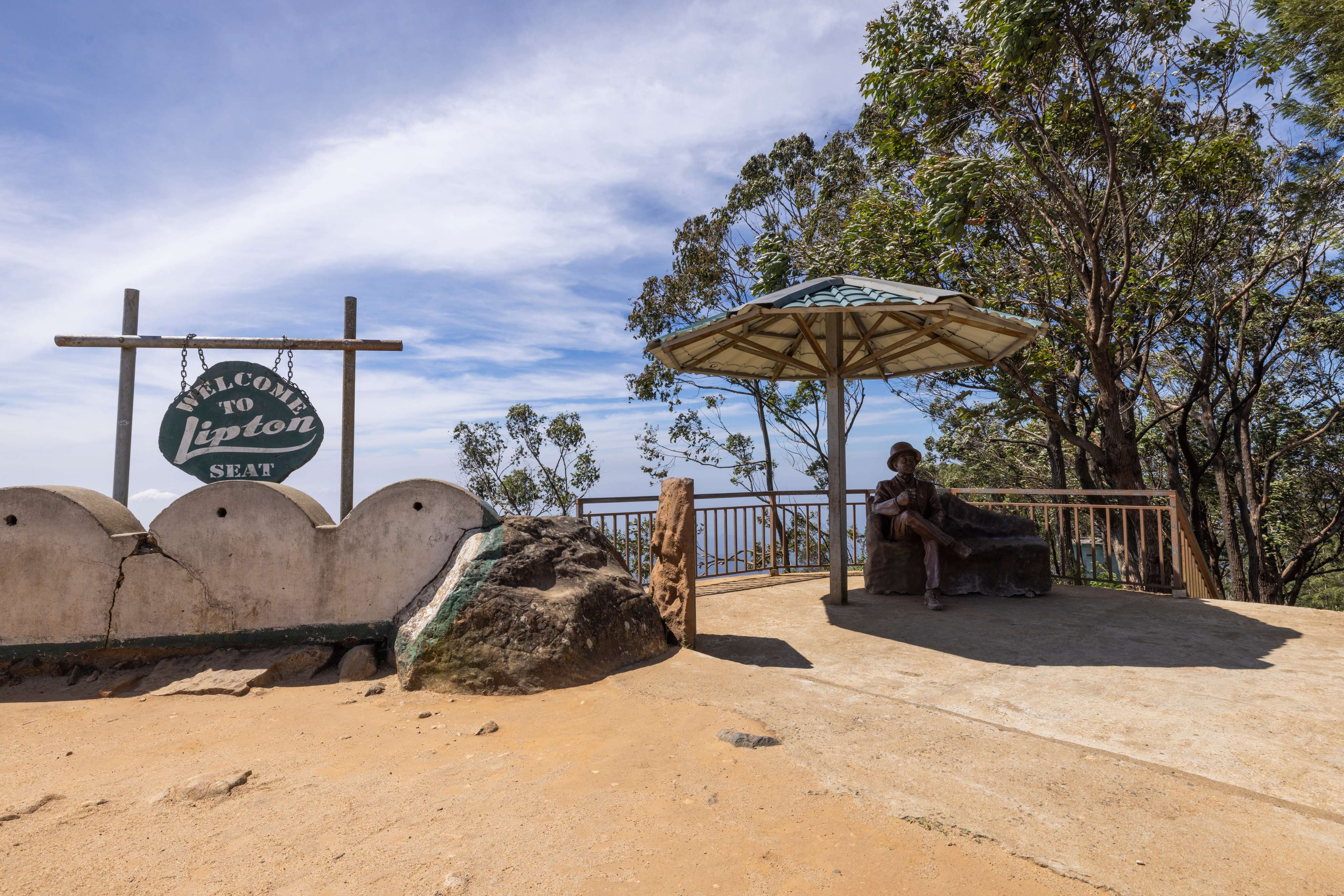
Perched on a dramatic ridge that falls away to the southern plains, Haputale offers some of the most breathtaking vistas on the island. It is famously home to Lipton’s seat, the favoured viewpoint of Sir Thomas Lipton himself. On a clear day, the panorama stretches to the coast, providing a serene backdrop for those who enjoy high-altitude treks and the quiet rhythm of estate life.
Hatton & Maskeliya
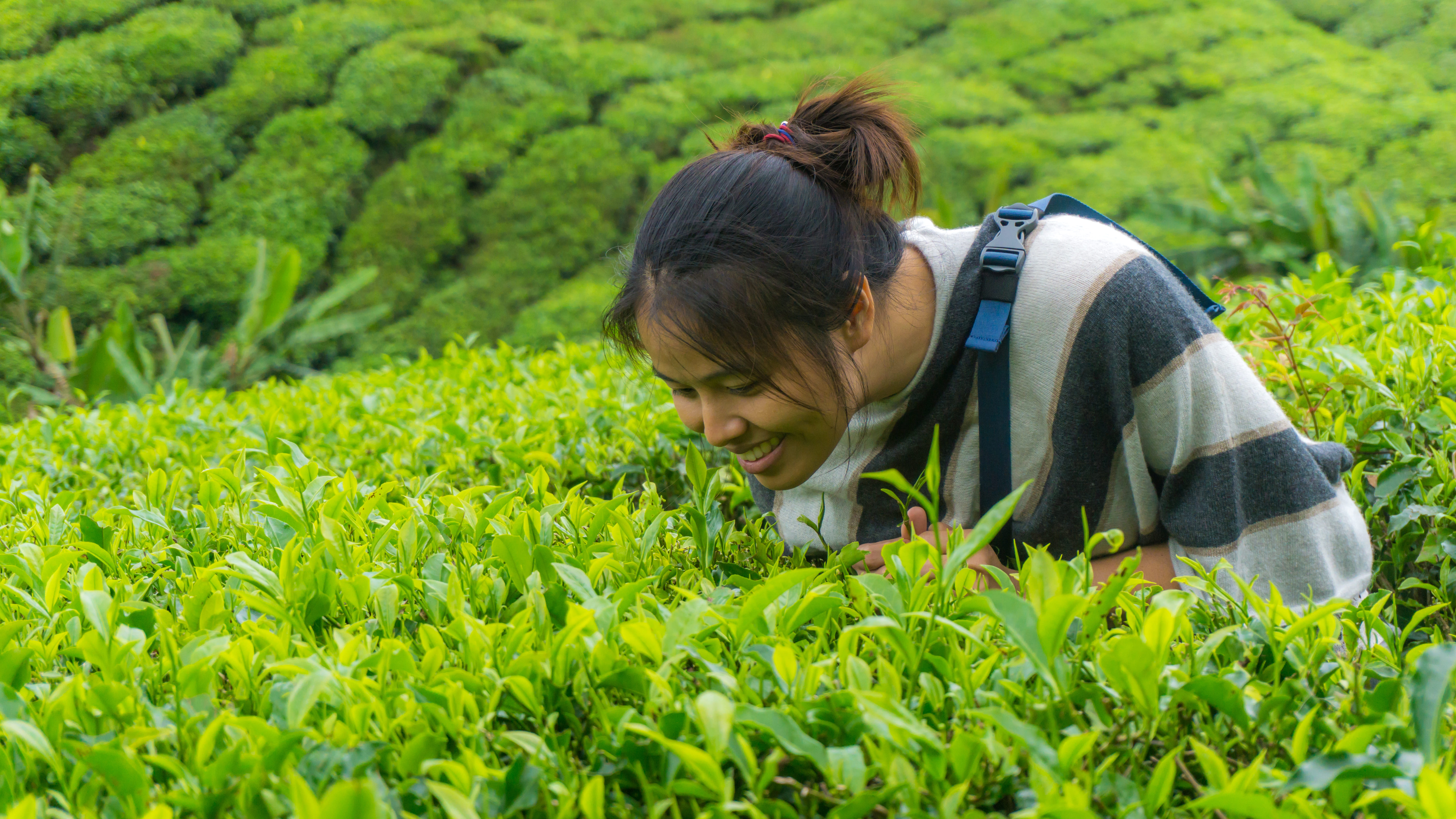
This region is the epicentre of the “Tea Trail” experience, where luxury bungalows sit amidst endless carpets of green. Serving as the gateway to the sacred Adam's Peak, Hatton and Maskeliya offer a blend of spiritual pilgrimage and refined relaxation. The tranquil waters of the Castlereagh Reservoir, surrounded by the tea-clad mountains, create a landscape of unparalleled peace.
Horton Plains
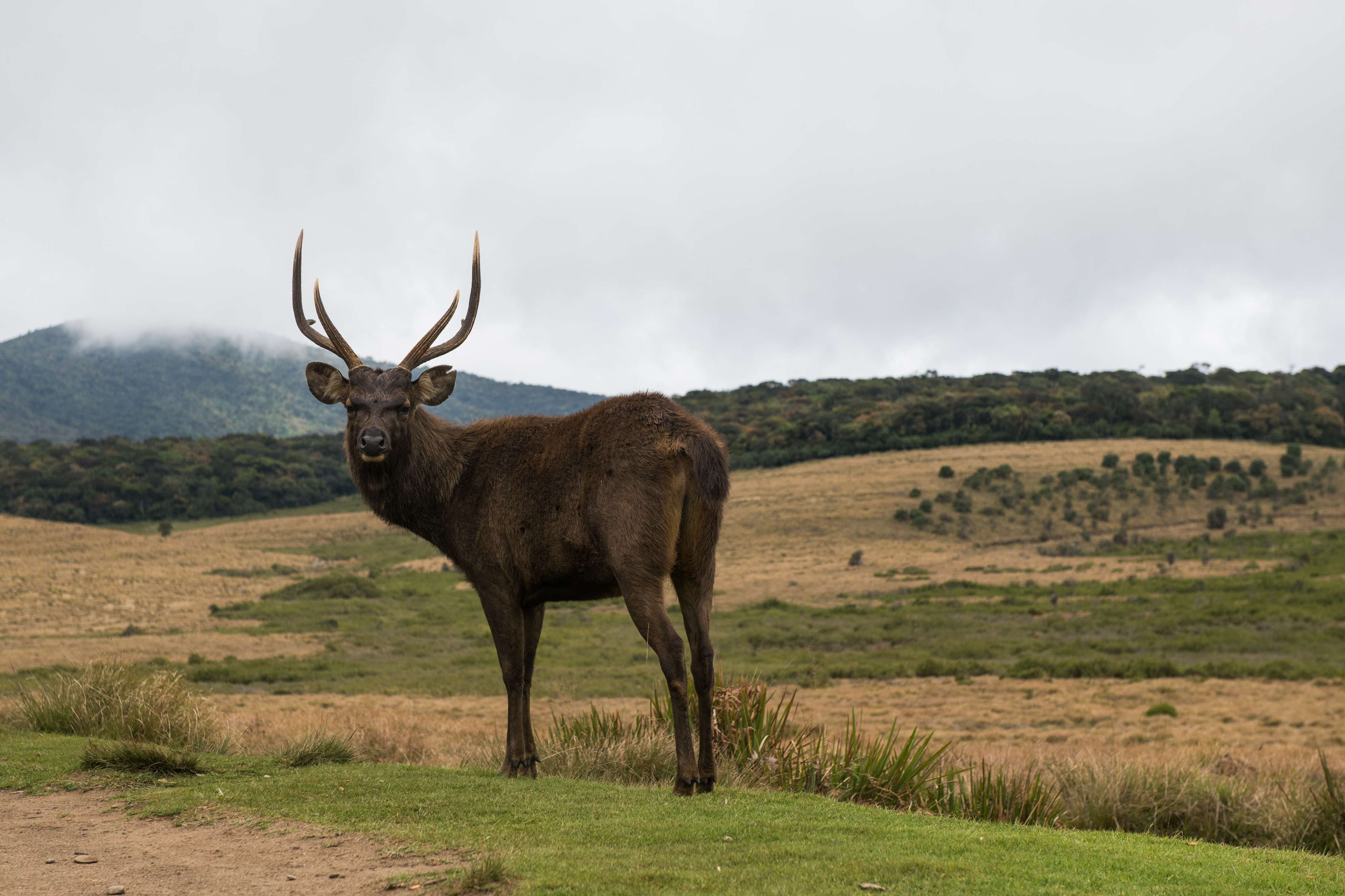
A hauntingly beautiful highland plateau, Horton Plains is a UNESCO World Heritage site defined by montane grasslands and cloud forests. The silence of the plains is broken only by the sound of gushing waterfalls like Baker’s Falls. Its crowning glory is “World’s End,” a sheer precipice with a 1,000- meter drop that offers a view of the world stretching out to eternity.
Ella
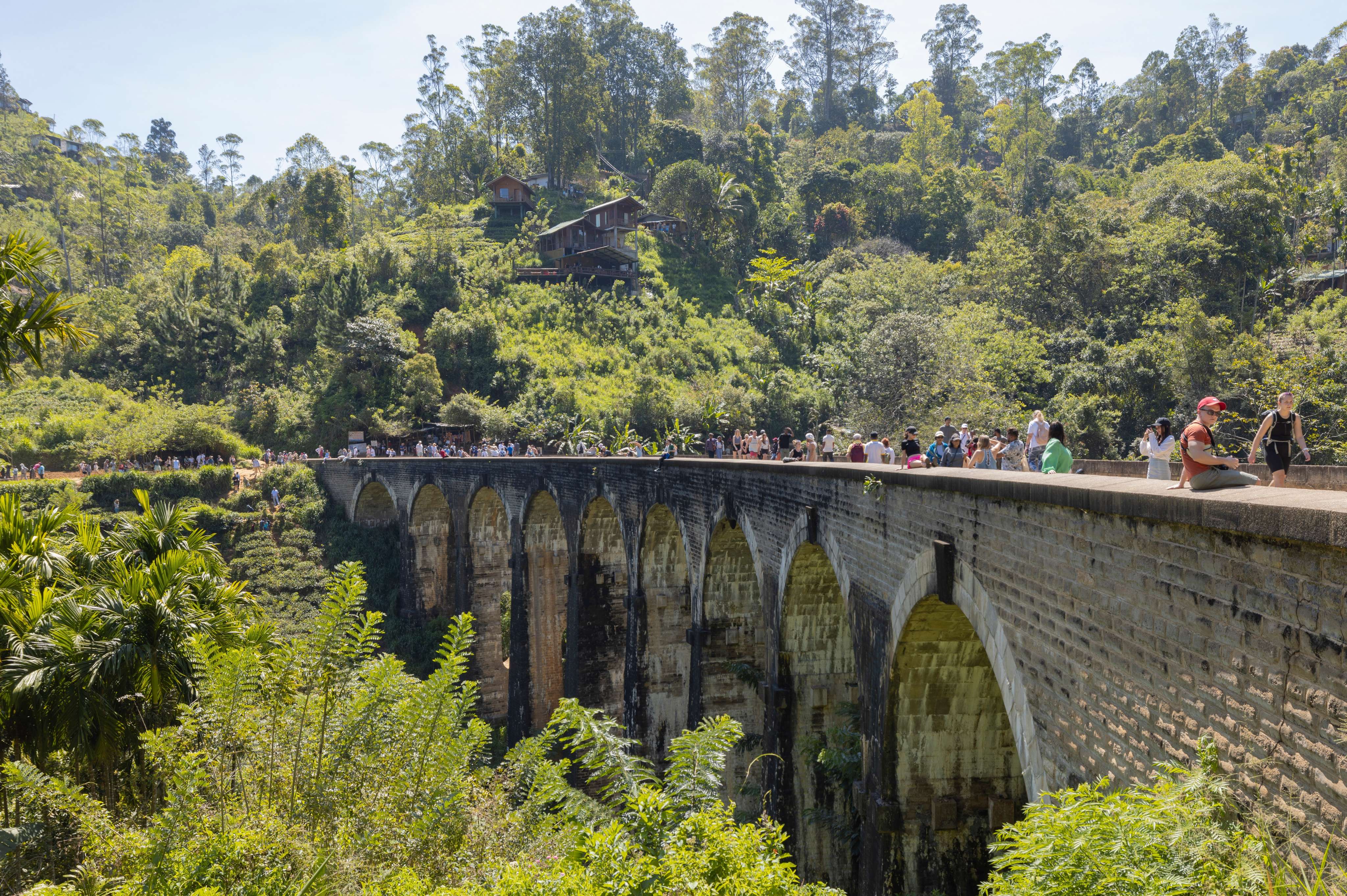
Ella is a small mountain village that has captured the hearts of modern travellers with its laid-back vibe and spectacular hiking trails. From the iconic Nine Arches Bridge- a masterpiece of colonial engineering- to the summit of Little Adam’s Peak, Ella is a
destination of viewpoints. It is the perfect place to watch the mist roll over the Ella Gap with a locally brewed coffee in hand.
A Chronicle of architectural brilliance, sacred relics, and the roots of a civilisation.
Anuradhapura
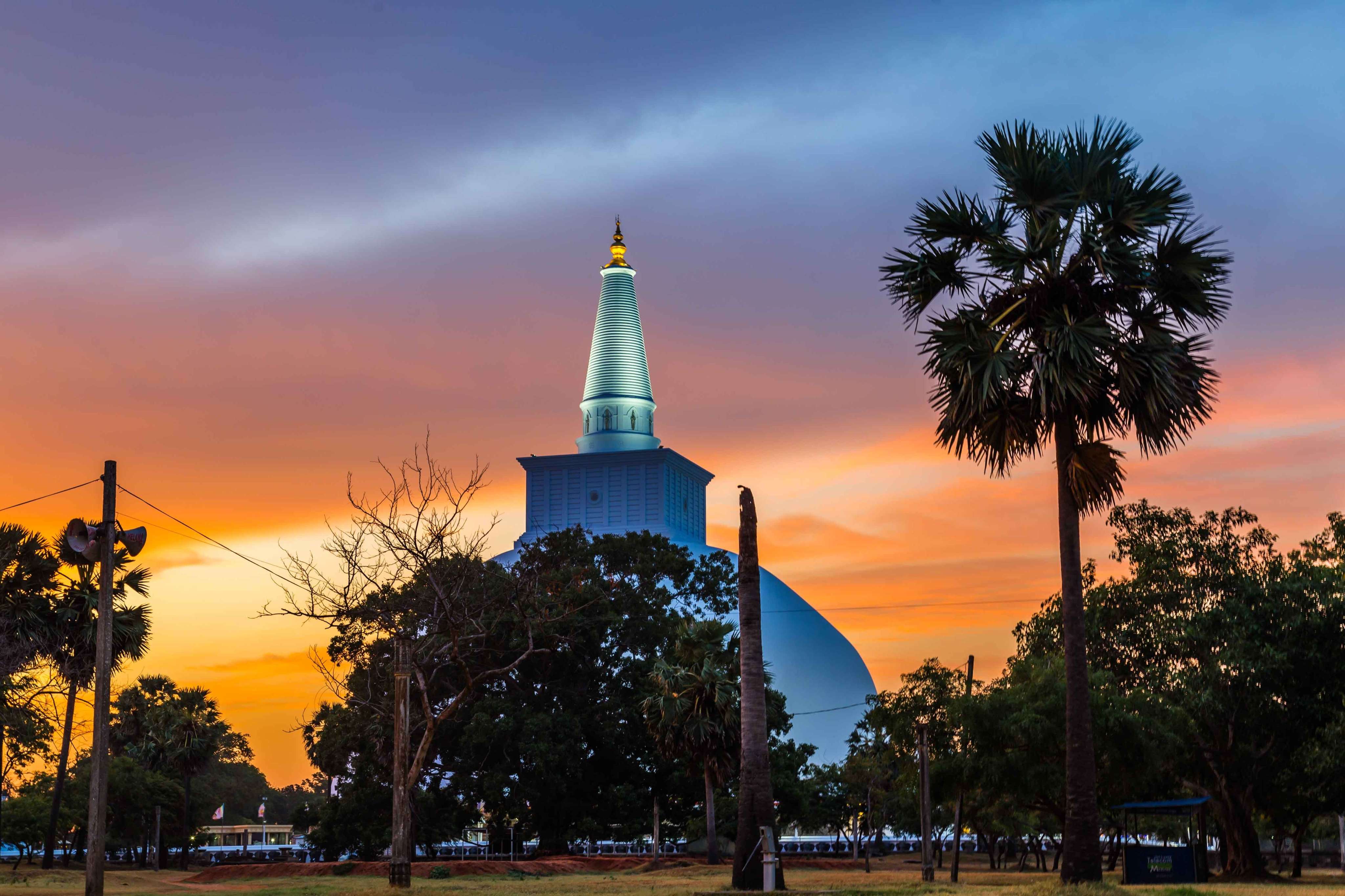
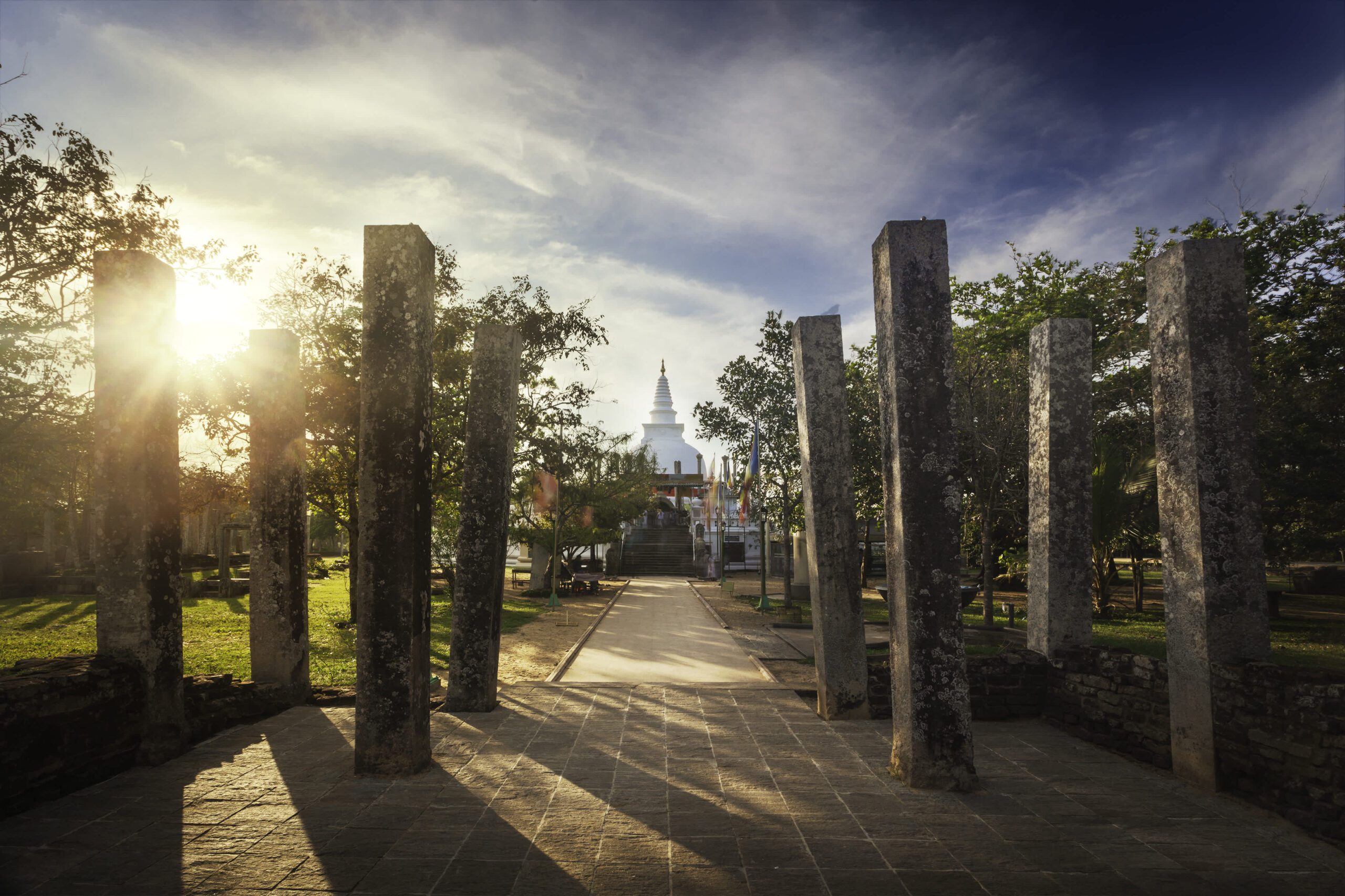
As the first capital of ancient Sri Lanka, Anuradhapura is the cradle of the island’s hydraulic civilisation and Buddhism. This vast archaeological park is home to towering brick stupas and the Jaya Sri Maha Bodhi - the oldest documented planted tree in the world. Exploring its ruins feels like walking through a living museum os spiritual devotion and ancient engineering.
Polonnaruwa & Medigiriya
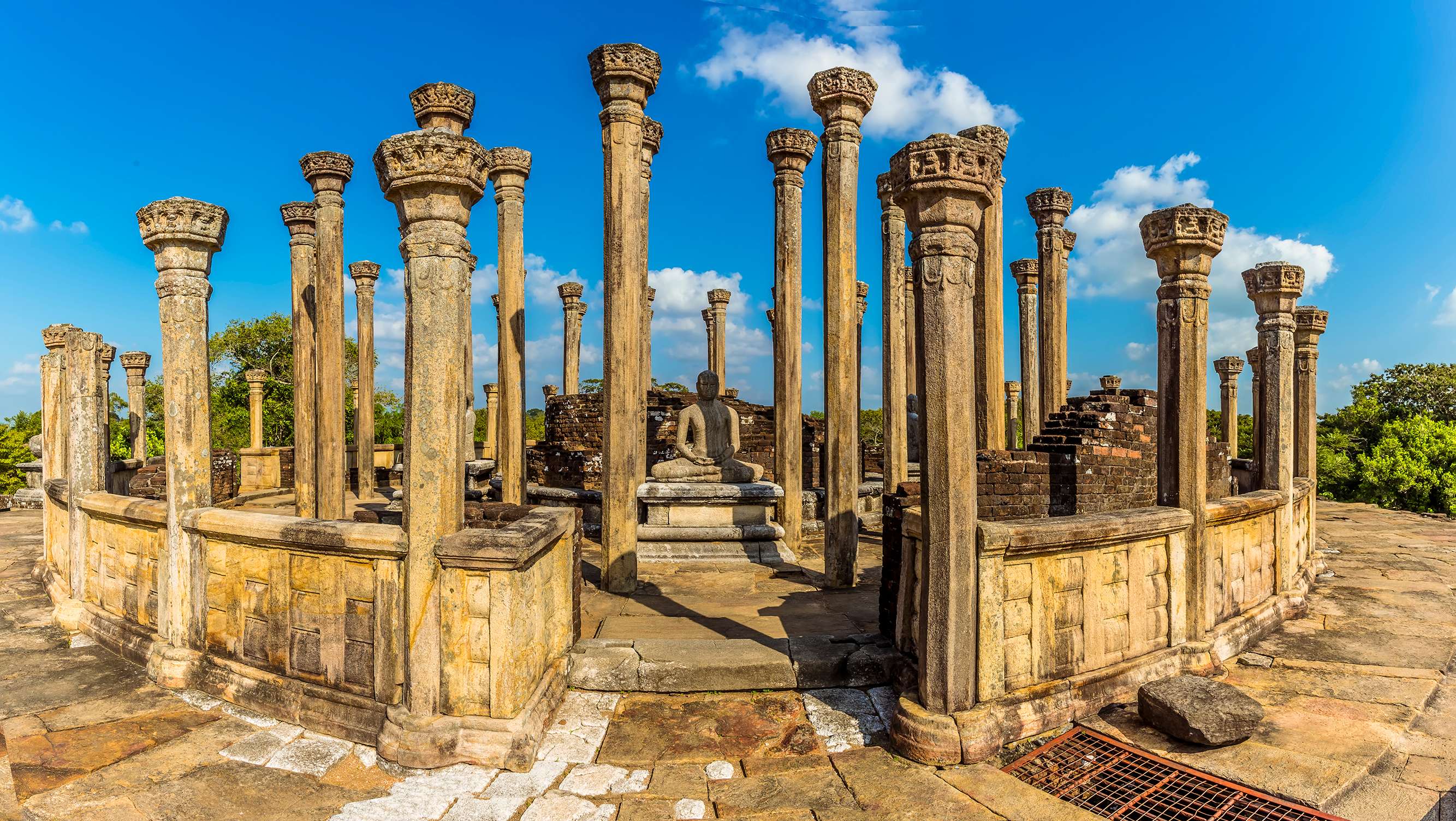
Polonnaruwa represents the medieval “Golden Age” of the island, where grand stone sculptures, such as the Gal Vihara Buddhas, showcase incredible artistry. Nearby, the circular Medigiriya Vatadage stands as a silent sentinel of the past, its stone pillars rising amidst lush greenery. These sites offer a more compact, yet equally profound, glimpse into the island’s royal history.
Sigiriya
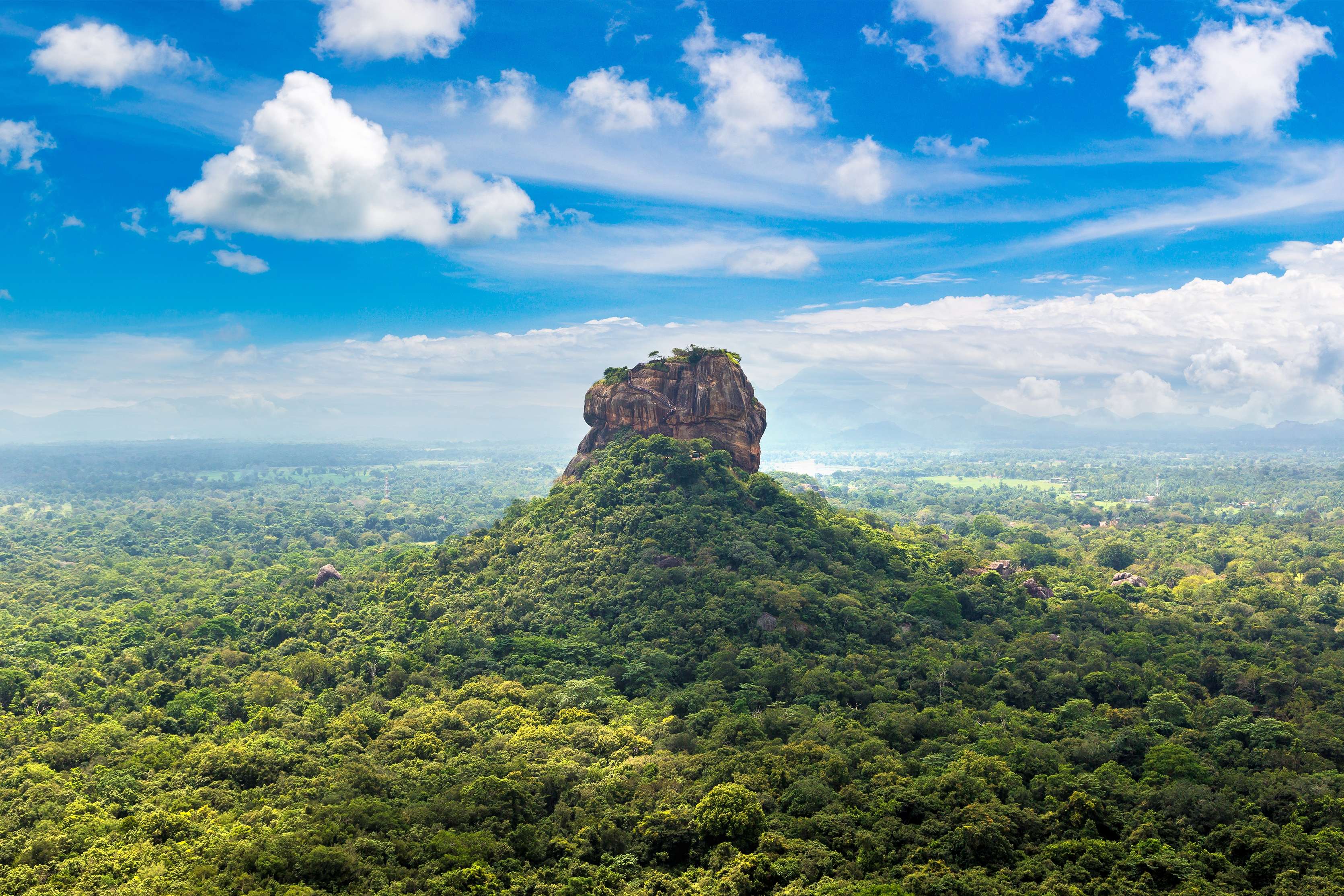
The “Lion Rock” fortress is perhaps Sri Lanka’s most iconic landmark- a 5th-century sky palace built atop a massive volcanic monolith. To climb Sigiriya is to walk through water gardens, past ancient frescoes of celestial maidens, and through the giant paws of a lion. It is a testament to King Kasyapa’s vision of a palace in the clouds, often called the Eighth Wonder of the World.
Yapahuwa
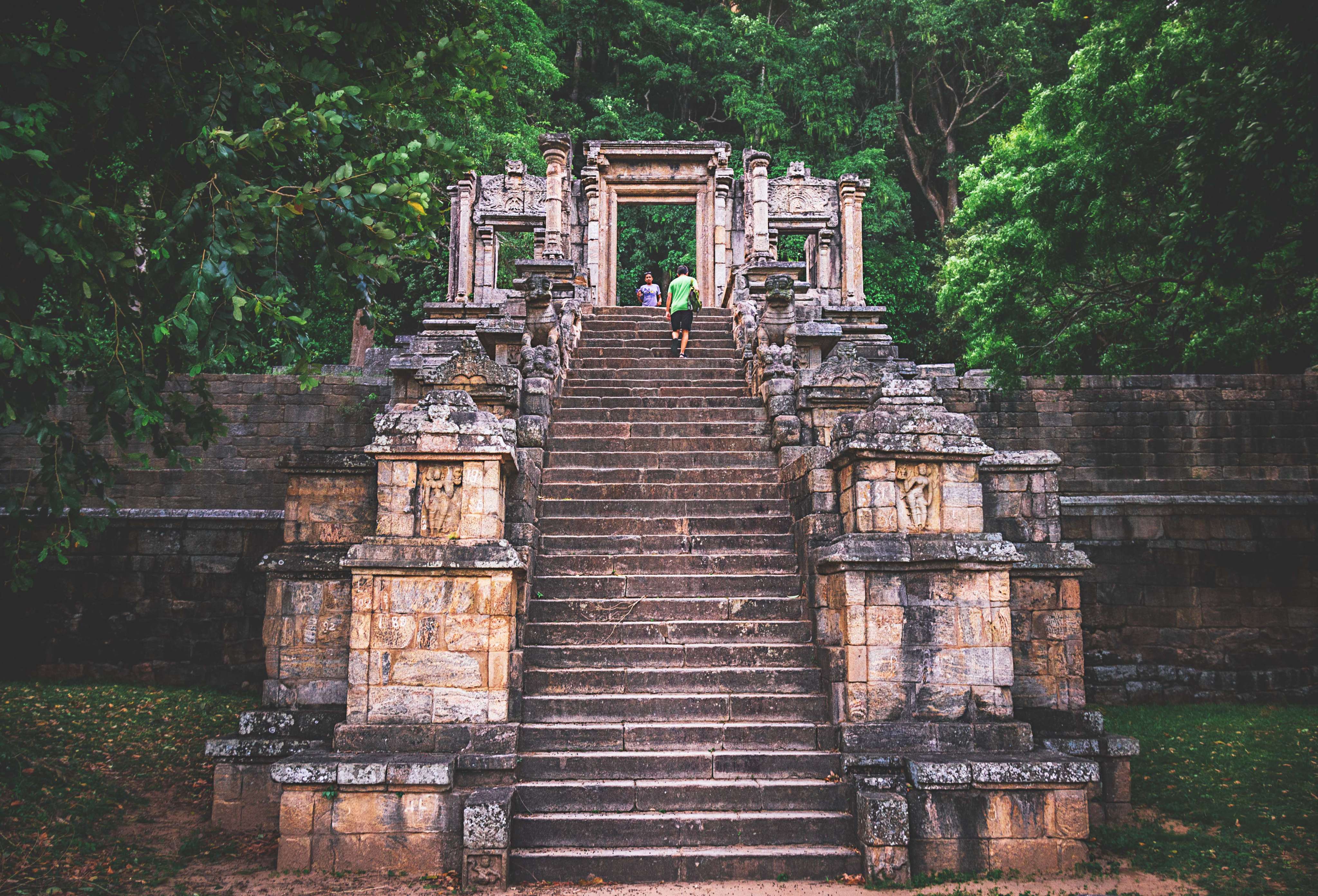
Briefly the capital in the 13th century, Yapahuwa is a dramatic granite rock fortress famous for its ornate, lion-guarded stairway. Less crowded than Sigiriya, it offers an intimate and adventurous climb. The citadel serves as a symbol of resilience, once housing the sacred Tooth Relic and providing panoramic views over the surrounding sun-drenched plains.
Aluvihare
Tucked away in the Matale hills, the Aluvihare Rock Temple is a site of immense literary and spiritual significance. It was here that the Buddhist Pali Canon was first transcribed from oral tradition onto palm leaves (ola books). The temple complex, with its ancient caves and vibrant murals, offers a contemplative space that honours the island's intellectual heritage.
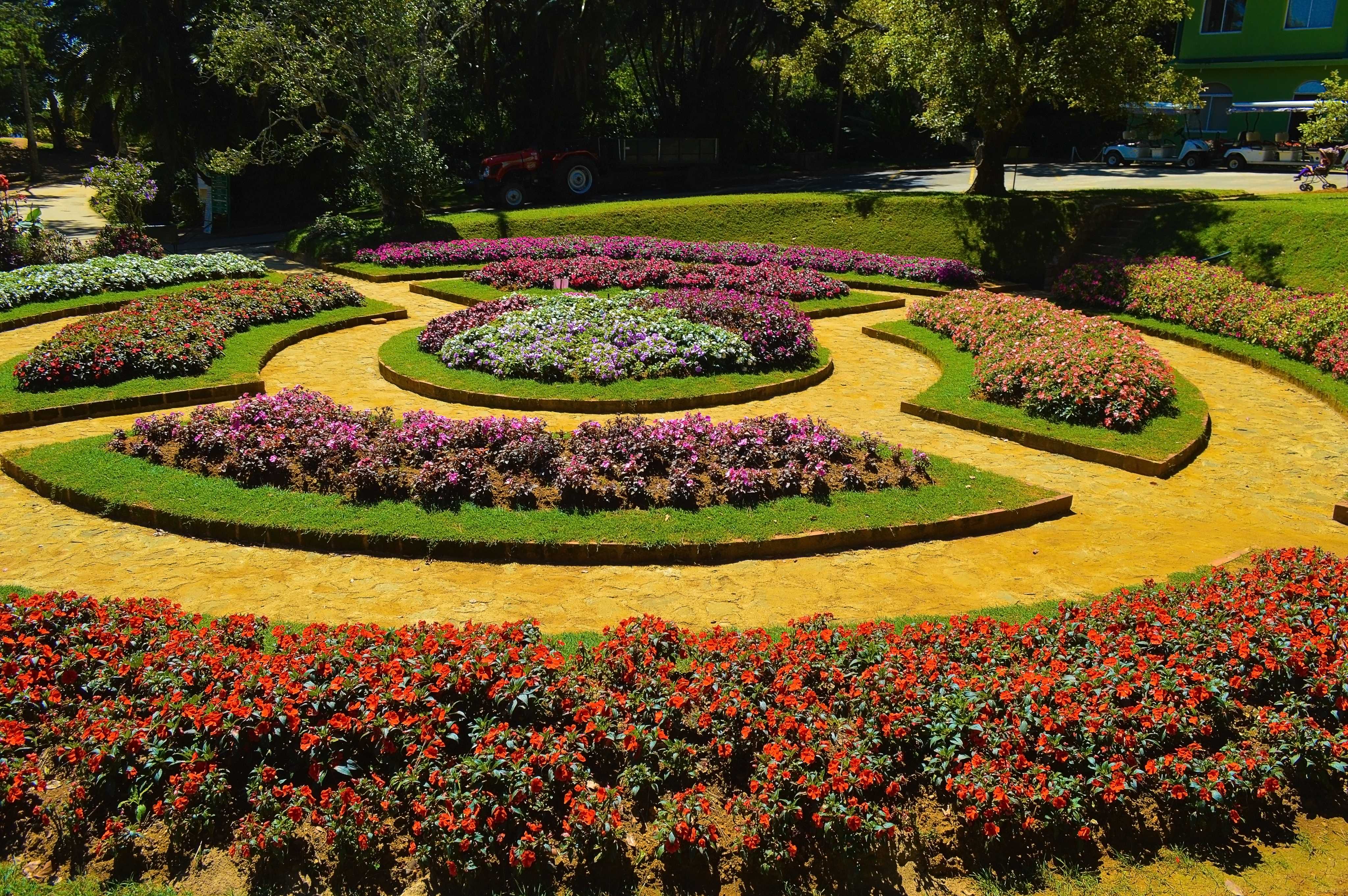
Peradeniya Botanical Gardens
While nature-focused, these gardens are a hallmark of British colonial horticultural excellence, formally established in 1821. The gardens served as the South East Asia Command Headquarters during World War 2 under Lord Louis Mountbatten. Walking through its “Avenue of Palma” or past trees planted by visiting royalty, one feels the grand, structured elegance of a bygone era.
A story of raw biodiversity and the untamed spirit of the Sri Lankan wilderness.
Minneriya & Kaudulla
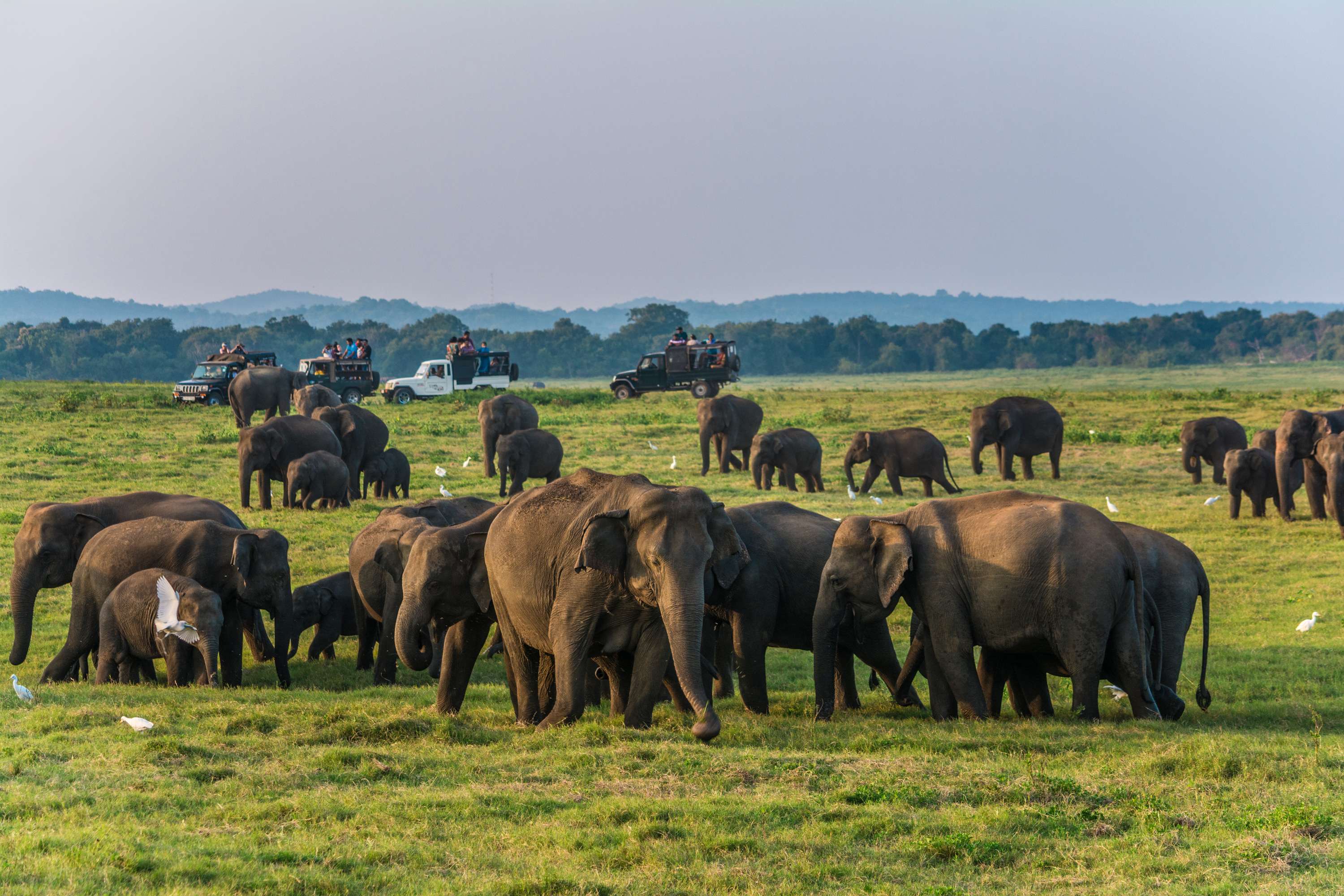
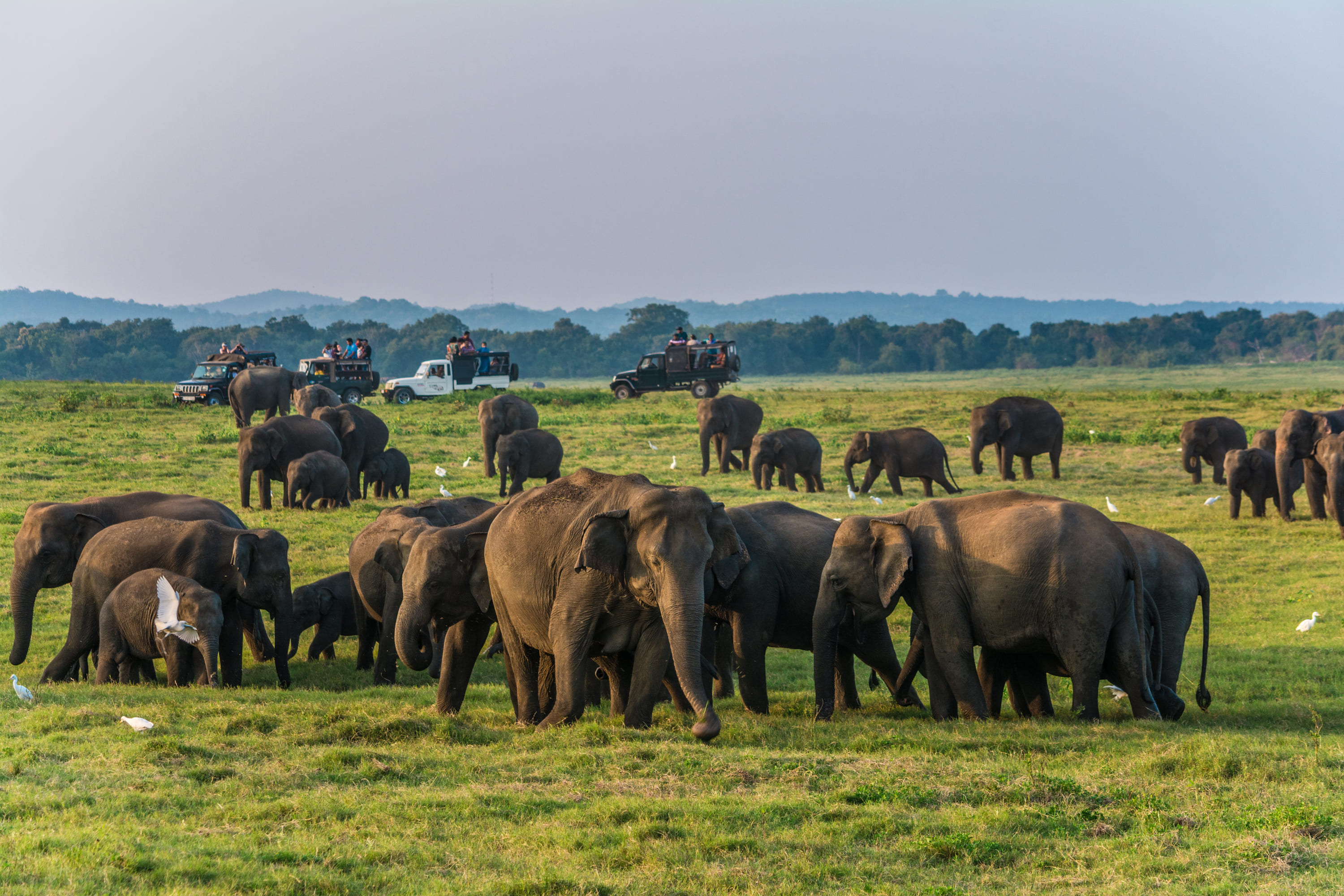
These parks are the setting for “The Gathering,” one of the world’s greatest wildlife spectacles. During the dry season, hundreds of wild elephants congregate around the ancient Minneriya tank to feed and bathe. The park’s open landscapes make it one of the best places in Asia to witness large herds of elephants in their natural social environment.
Udawalawe
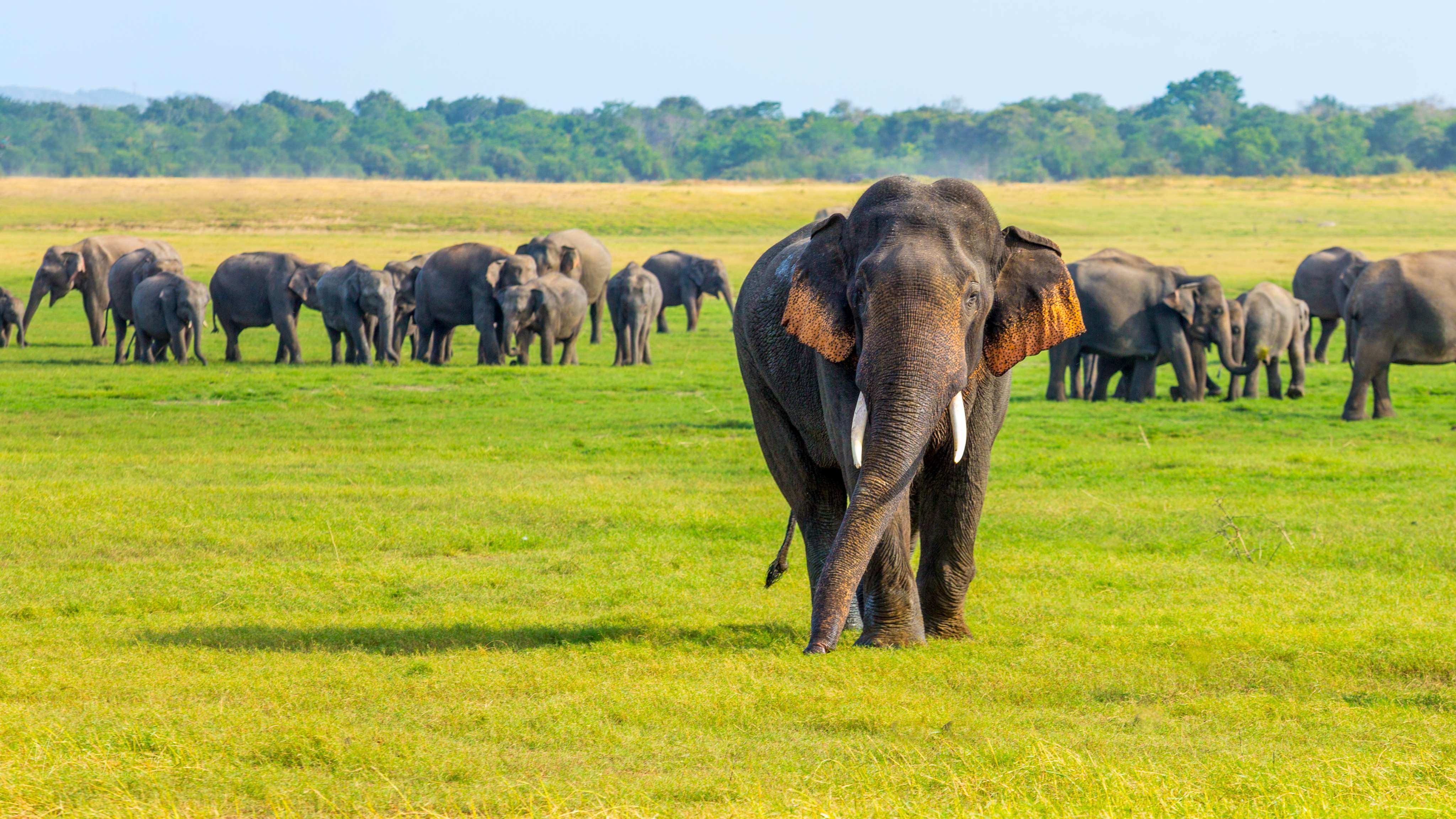
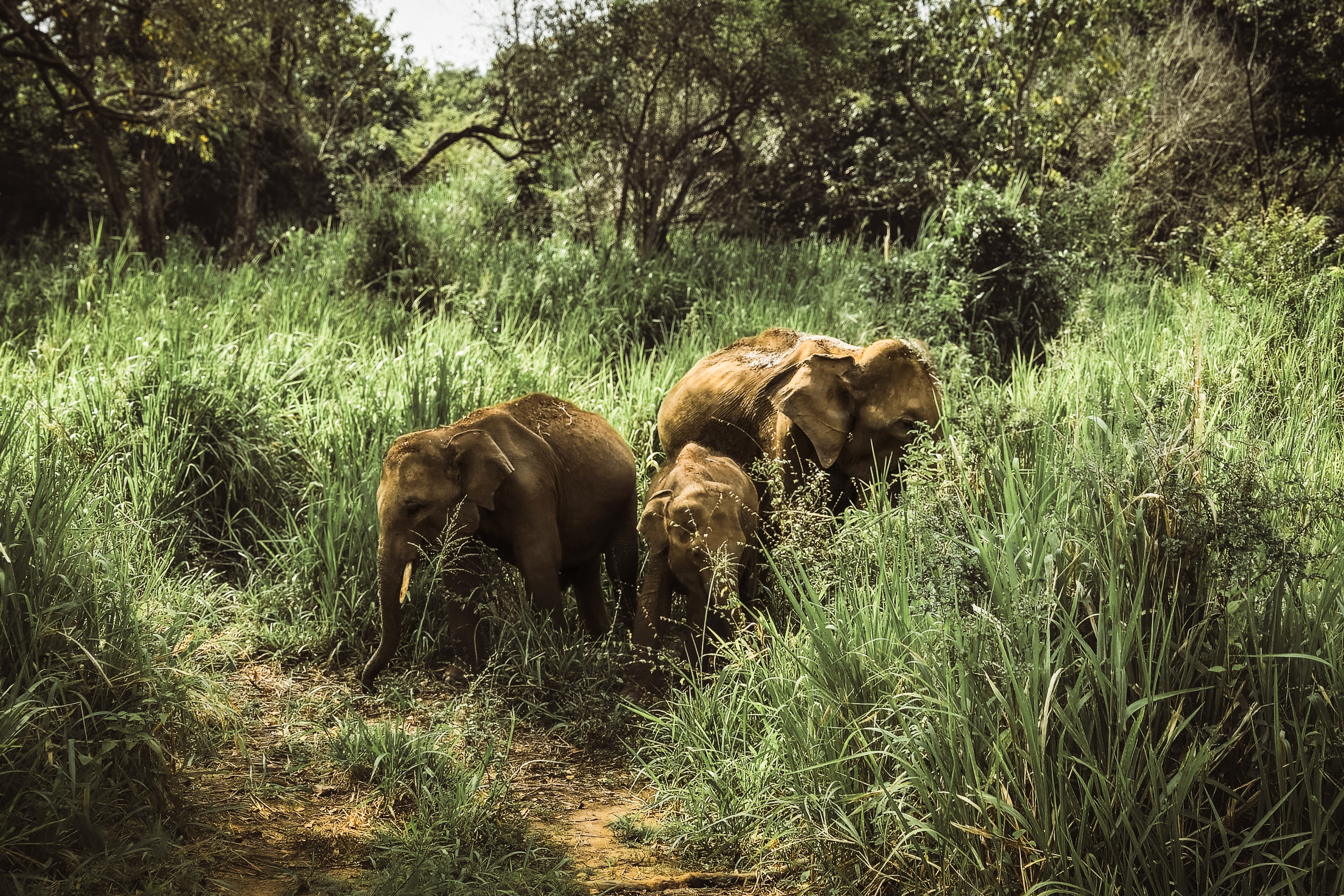
Known as Sri Lanka’s “Elephant Country,” Udawalawe is a vast sanctuary that offers some of the most reliable wild elephant sightings in Asia. Centred around the massive Udawalawe Reservoir, the park’s landscape is a striking blend of open grasslands and scrub jungle, framed by the soaring central highlands to the north. Unlike the denser forests of other parks, Udawalawe’s wide open plains provide an unobstructed window into the lives of the 500-700 elephants that call this sanctuary home year-round.
Yala & Wilpaatu
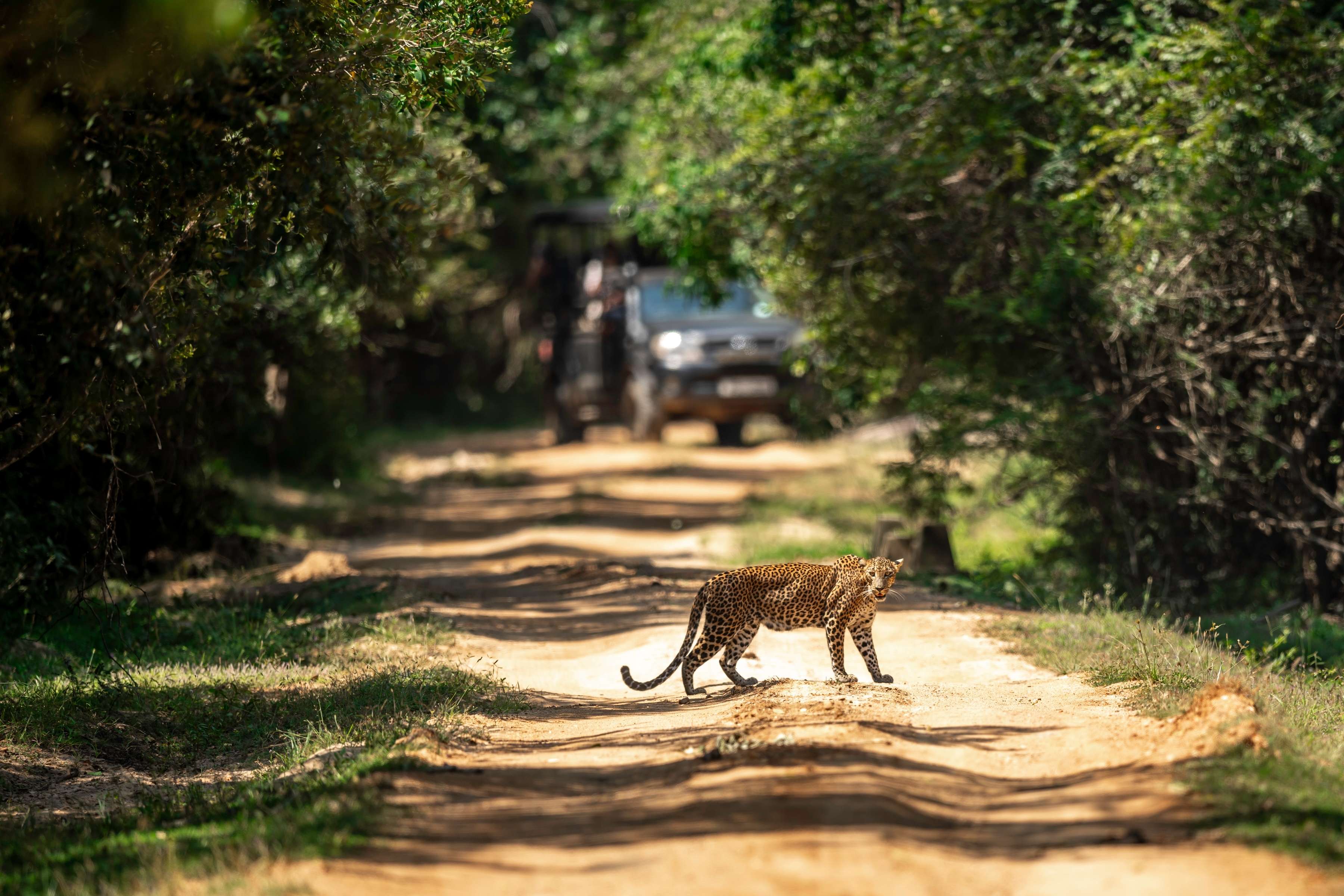
Yala is the world’s premier destination for leopard sightings, characterised by coastal lagoons and rocky outcrops. In contrast, Wilpattu- the island’s largest park- is a landscape of “Villus” (natural lakes) and dense forest, offering a quieter, more immersive safari experience. Both parks anchor the island’s wildlife story, home to elephants, sloth bears, and an array of majestic birds.
Kumana
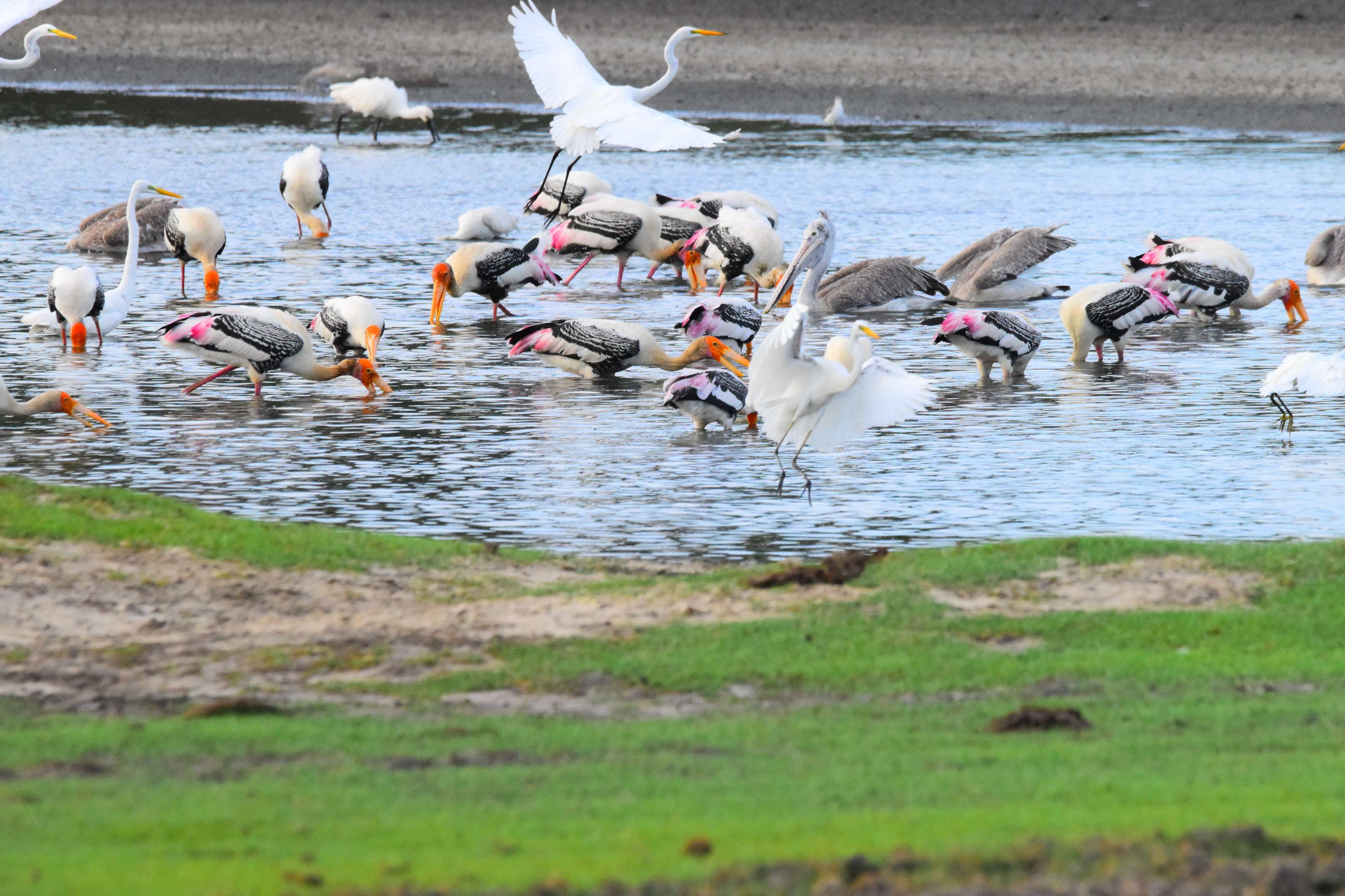
Located on the southeastern coast near Arugam Bay, Kumana is a birdwatcher’s paradise. Its vast mangrove swamps and lagoons serve as a vital nesting ground for migratory waterfowl and rare black-necked storks. While famous for its feathered inhabitants, Kumana also offers quiet encounters with leopards and elephants, far from the busy safari trails.
Sinharaja Forest Reserve
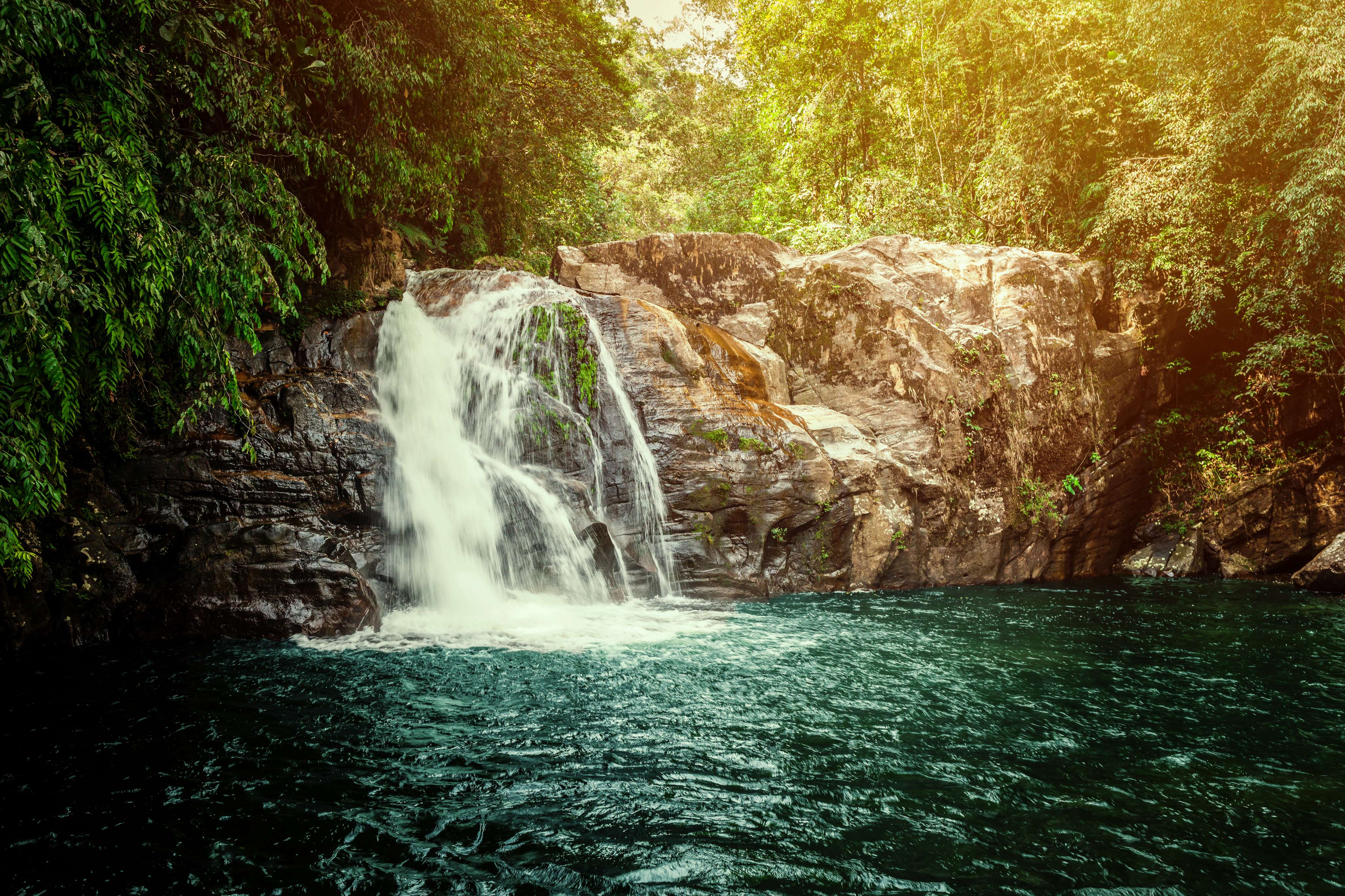
As the last viable area of primary tropical rainforest in Sri Lanka, Sinharaja is a UNESCO World Heritage Site and a biodiversity hotspot. It is a world of endemic trees, rare amphibians, and the “mixed-species bird flocks” that are unique to this forest. Trekking through its misty, evergreen canopy is a sensory journey into the island's primordial heart.
Where Ancient Kings Built Dreams in Stone and Monks Carved Prayers in Rock
Kataragama
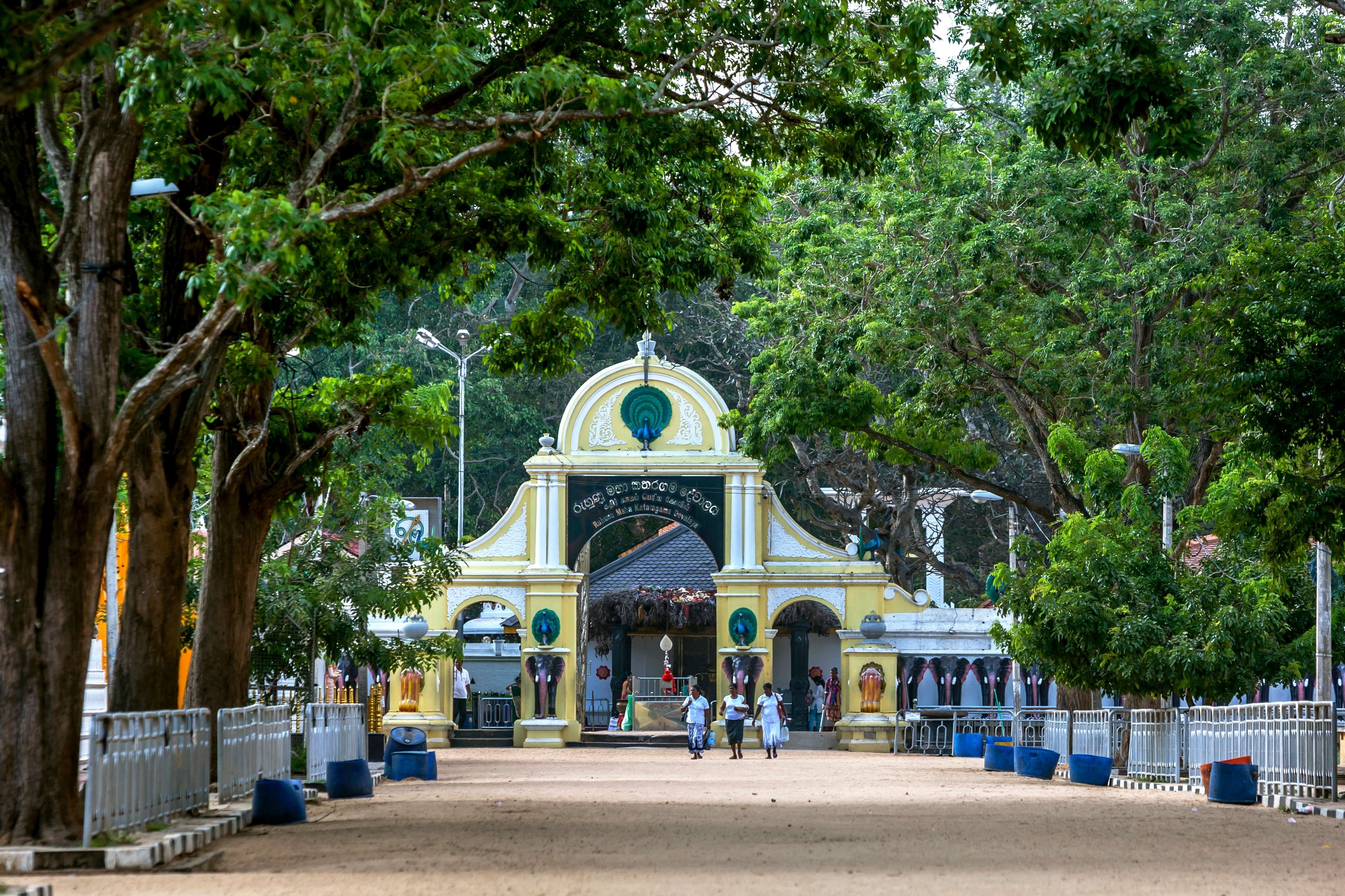
Kataragama is a town of immense spiritual richness, serving as a rare sanctuary where multiple faiths peacefully coexist on the same sacred ground. Dedicated to the guardian deity Kataragama Deviyo (Lord Skanda), the temple complex attracts thousands of pilgrims who offer colourful baskets of fruit during daily Poojas. The site is also home to the ancient Kiri Vehera stupa, believed to be one of the sixteen places visited by the Buddha in Sri Lanka.
Awukana Buddha
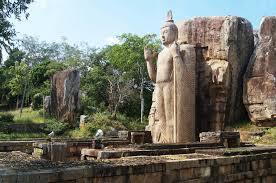
A monumental masterpiece of 5th-century craftsmanship, the Awukana Buddha is a colossal 14-meter-tall statue carved directly from a single granite rock face. The statue depicts the Buddha in a variation of the Abhaya mudra (gesture of reassurance), known locally as the Asisa mudra. Its remarkable accuracy is such that, according to legend, a drop of rainwater sliding off the nose would fall directly into the small depression carved between the statue’s big toes.
Kandy & The Temple of the Sacred Tooth Relic
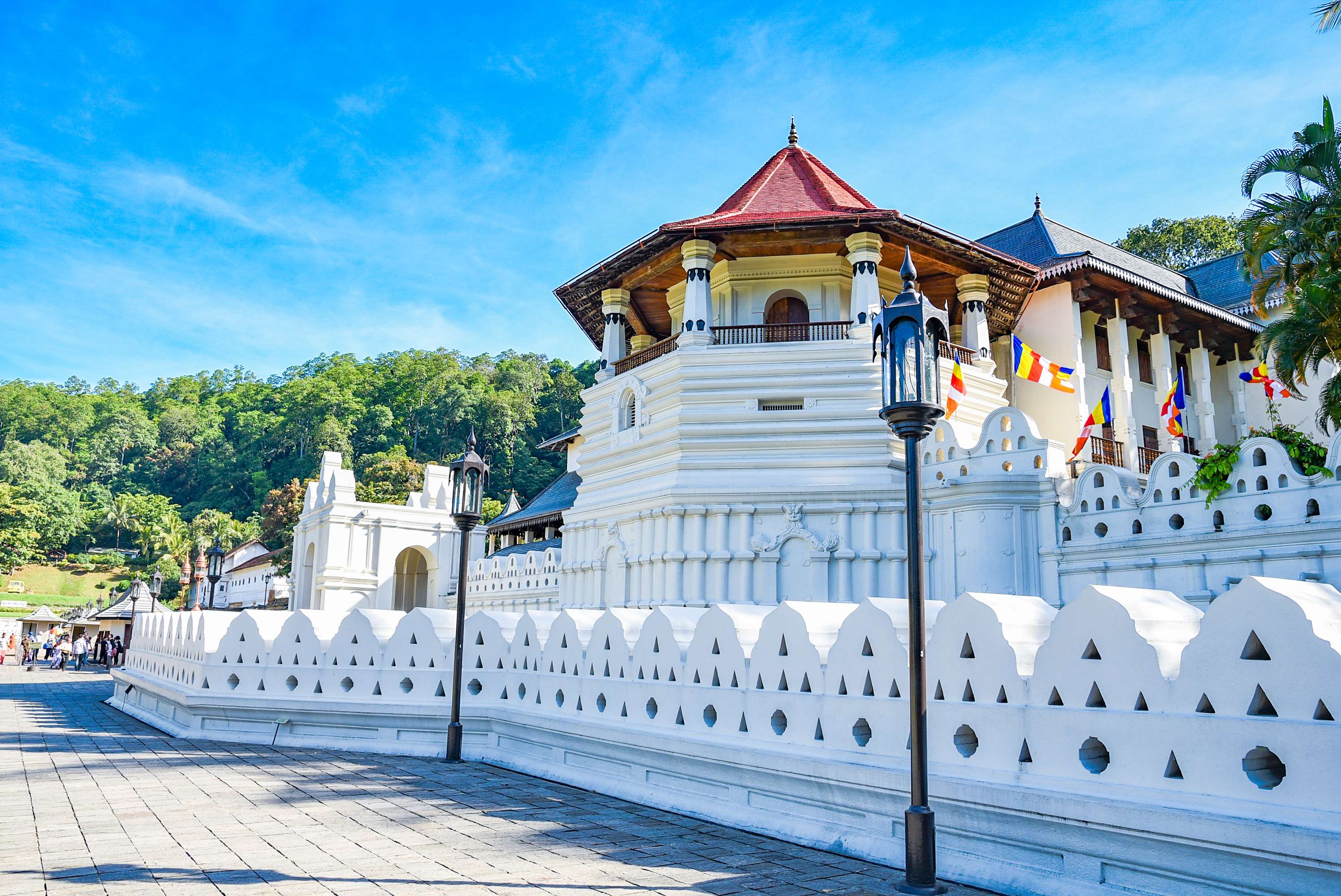
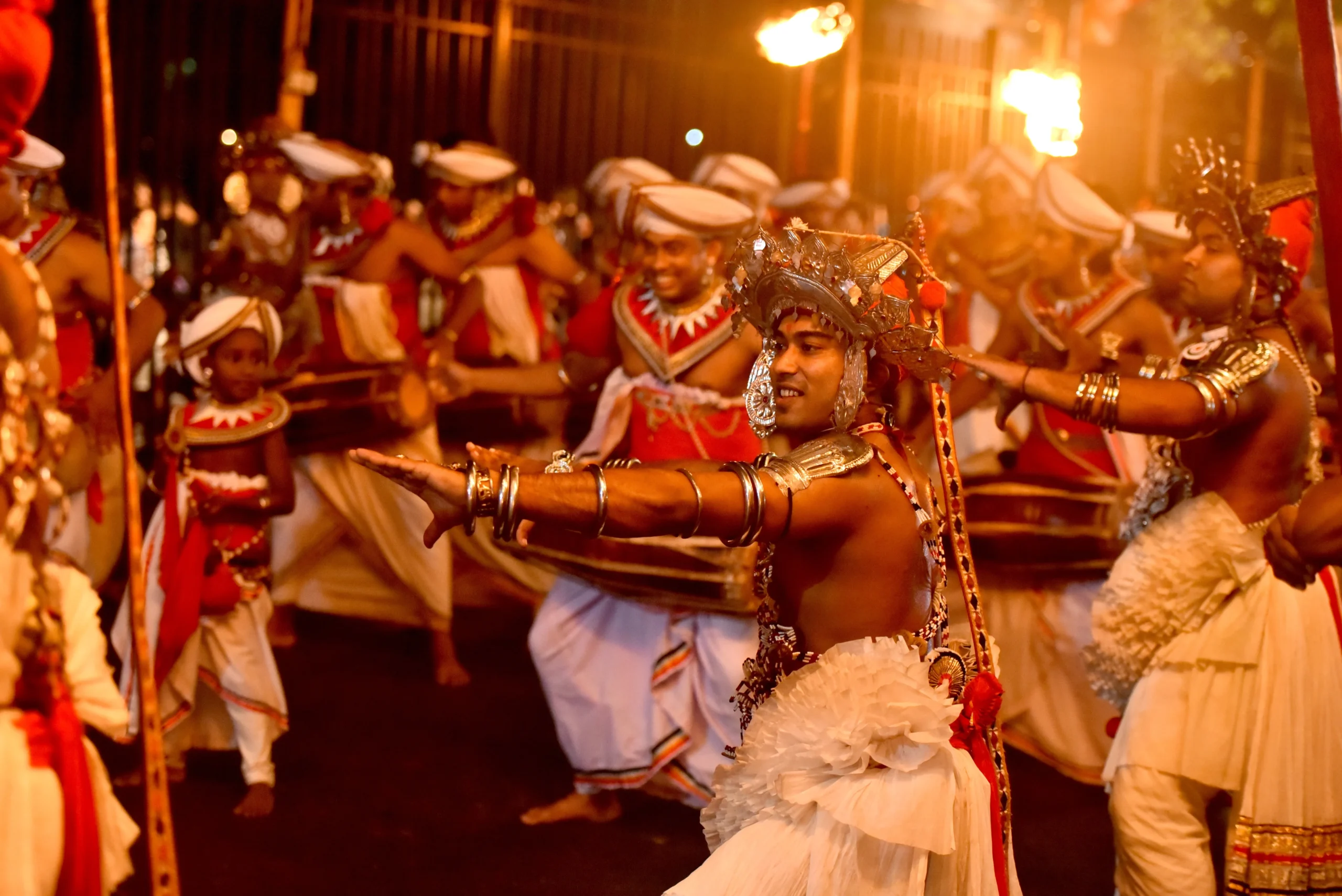
As the final royal capital of the Sri Lankan kings, Kandy serves as the spiritual epicentre for Buddhists worldwide. At its heart lies the Sri Dalada Maligawa, a magnificent temple complex housing a tooth of the Buddha, a relic that has historically symbolised the right to govern the nation. Visitors can witness centuries-old daily rituals performed with traditional drummers and dancers, especially during the vibrant dawn and evening Pooja ceremonies.
Adam’s Peak – Sri Pada
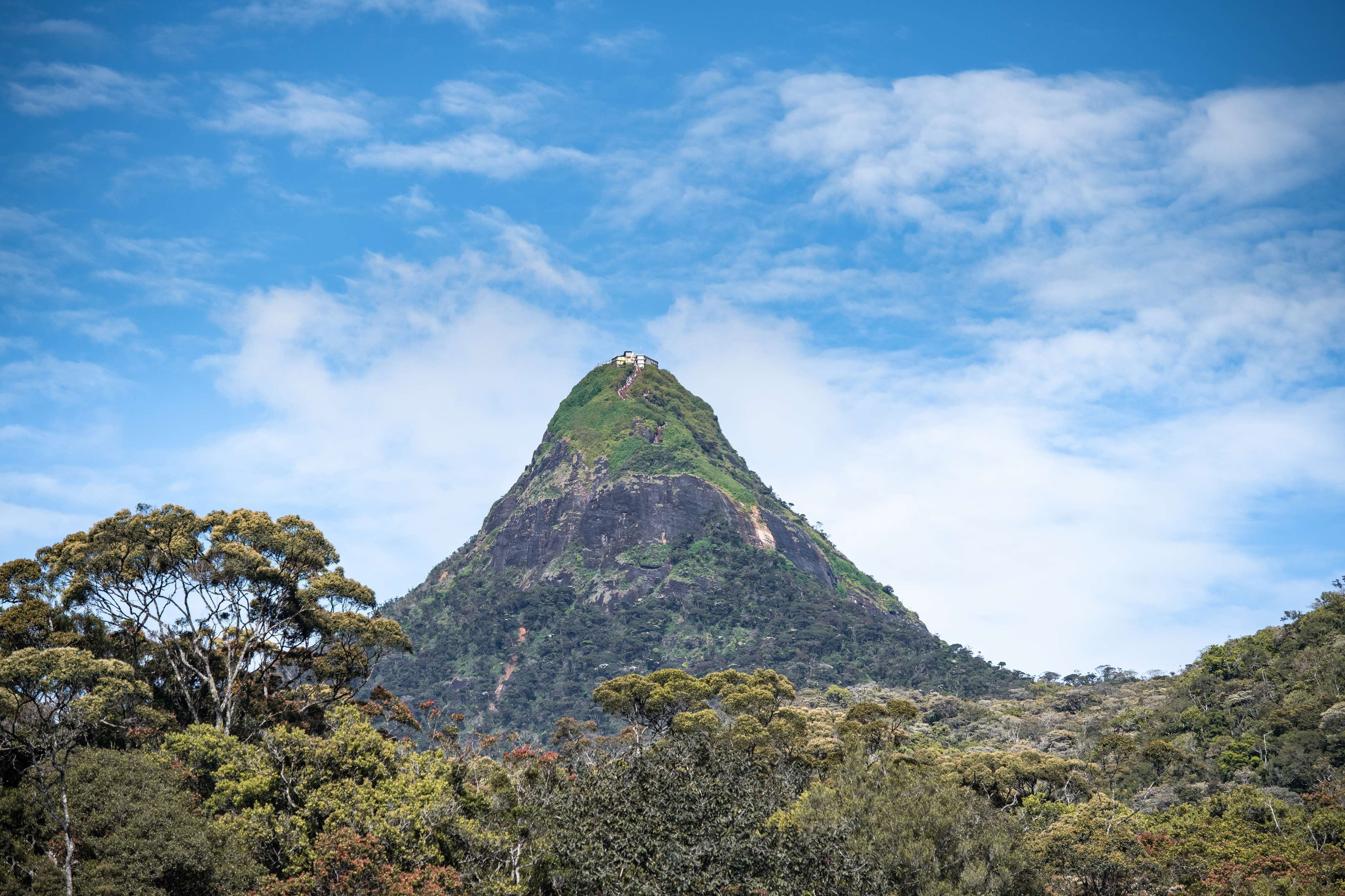
Rising dramatically from the central highlands, Adam’s Peak is a unique conical mountain revered as a holy site by Buddhists, Hindus, Muslims and Christians alike. The summit features a sacred footprint-shaped rock formation, attributed variously to the Buddha, Lord Shiva or Adam. A nighttime ascent of its roughly 5,500 steps culminates in an unforgettable sunrise, often revealing the mountain's perfect triangular shadow cast upon the surrounding clouds.
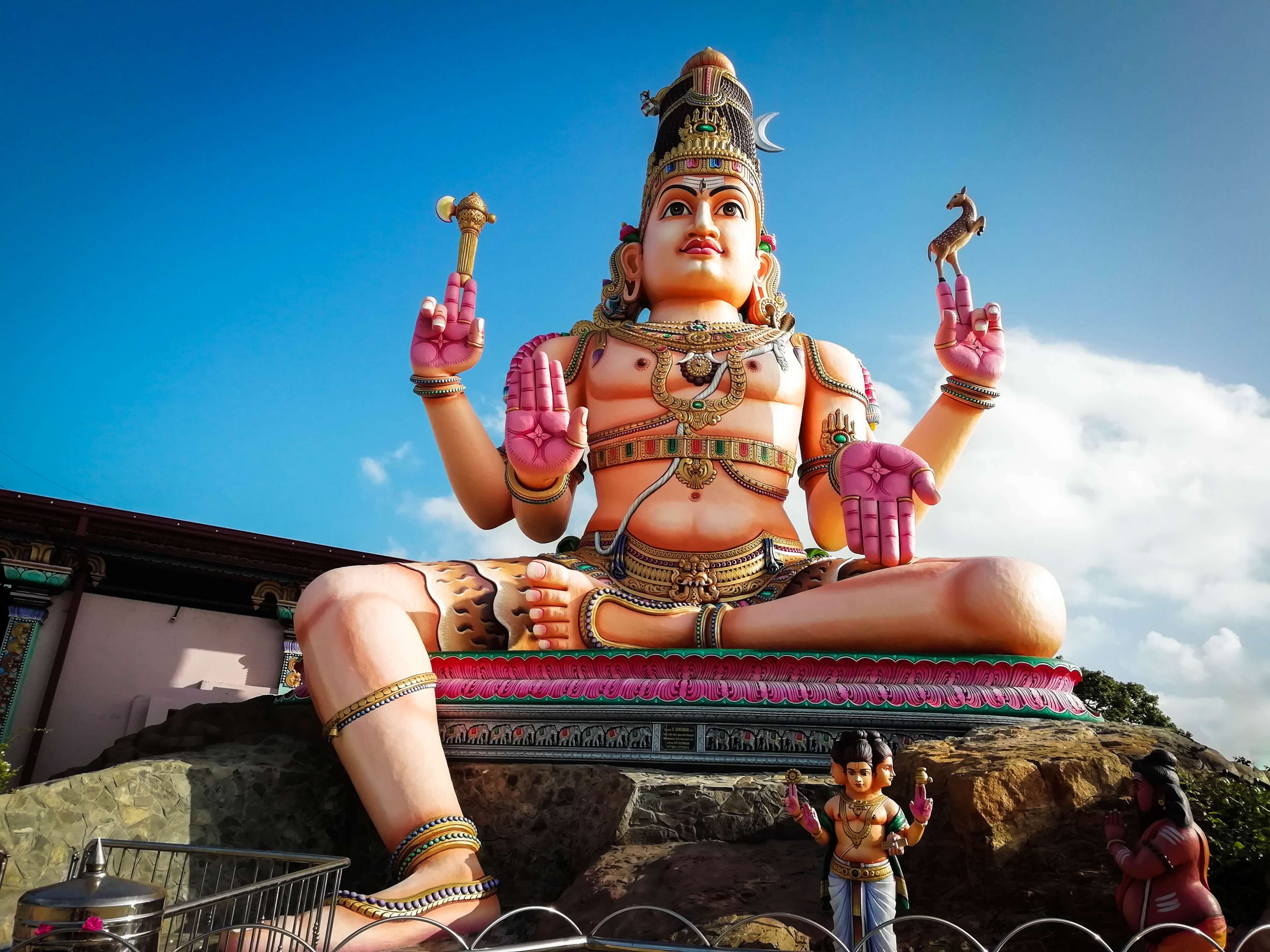
Koneswaram Temple
Dramatically perched atop the 400-foot-high Swami Rock, this ancient Hindu temple overlooks the azure waters of Trincomalee’s natural harbour. Tracing its origins back to the 3rd century BCE, it is one of the five ancient abodes of Loeerd Shive, known as the Pancha Ishwarams. The colourful complex features sophisticated Dravidian architecture and provides panoramic views of Gokarna Bay, a seasonal sanctuary for blue whales.
A living gallery of Overlapping Empires and Timeless Charm
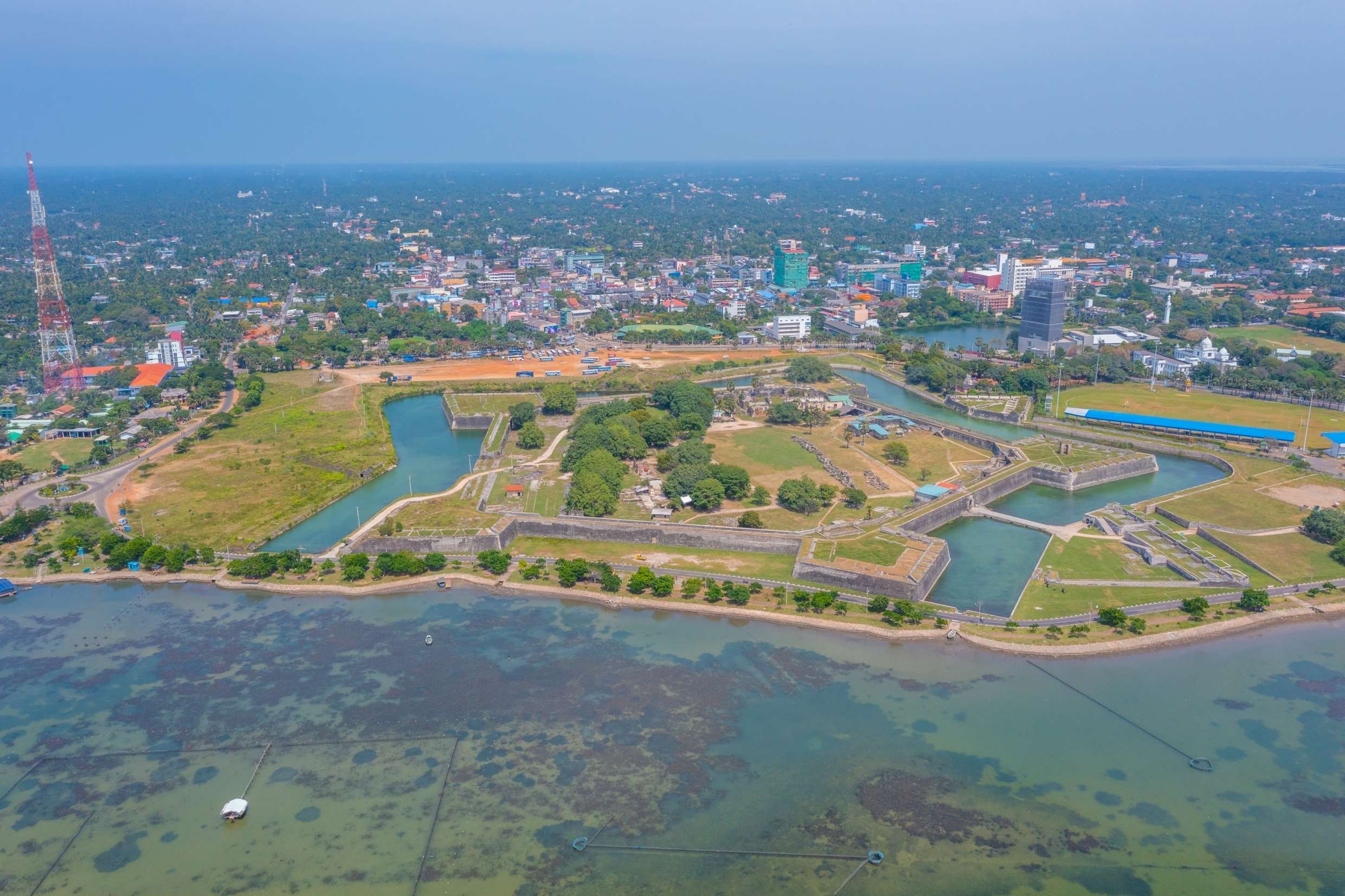
Jaffna Old Town
The northern capital offers a heritage experience distinct from the rest of the island, heavily influenced by south indian and colonial cultures. The massive Jaffna Fort, Asia’s
best-preserved fortification of a typical Dutch layout, stands as a symbol of the city’s resilience. Nearby, the white colonial edifice of the Jaffna Library remains a proud landmark of the region’s intellectual and historical depth.
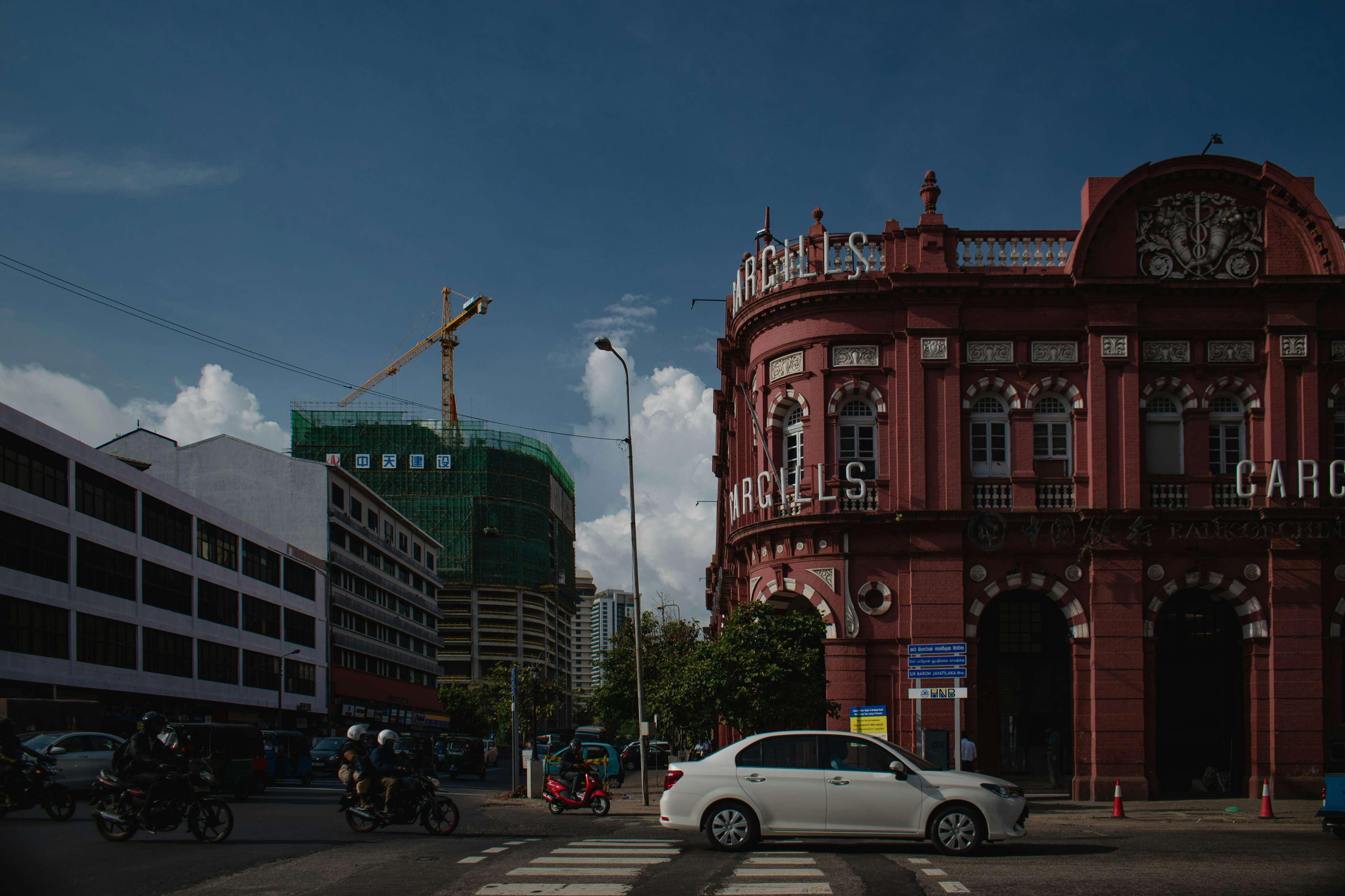
Colombo Heritage District – Fort & Pettah
The heart of the commercial capital is a study in contrasts, where the Fort area showcases beautifully restored colonial edifices like the Old Dutch Hospital and the Cargills Building. Just beyond lies Pettah, an oriental bazaar where 18th-century churches like Wolvendaal stand amidst a chaotic, vibrant labyrinth of markets. This district tells the story of Colombo’s transformation from a Portuguese trading post to the British capital of Ceylon.
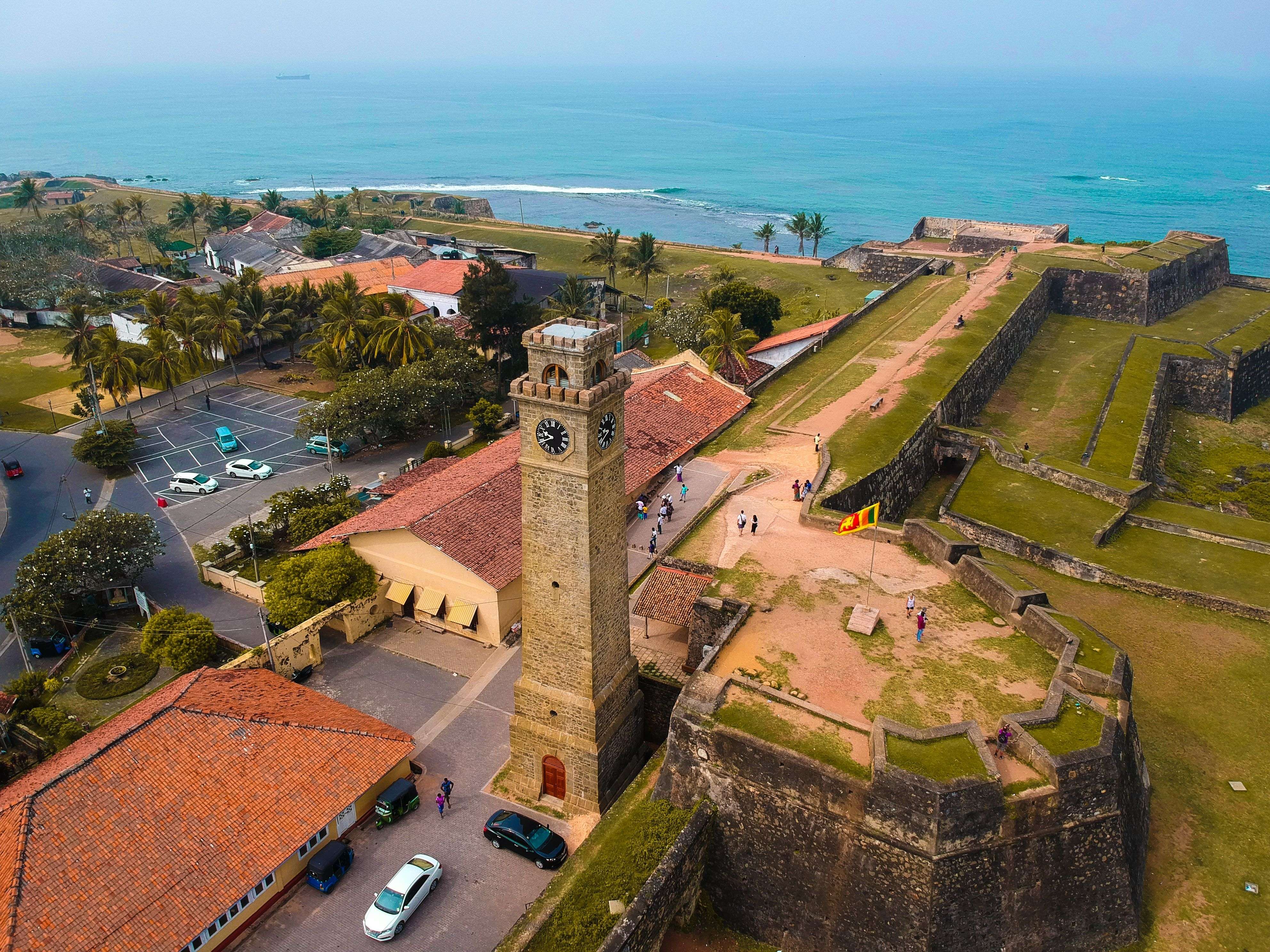
Galle Fort
A UNESCO World Heritage site, Galle Fort is the most complete preserved colonial sea fortress in Asia. Its massive 17th-century ramparts and fourteen bastions enclose a town of narrow streets lined with Dutch-period villas, historic mosques, and the iconic white Galle Lighthouse. Today, it is a hub of Unconventional Luxury, housing boutique galleries and cafes within its weathered coral walls.
Batticalo Old Town
Known as the “Land of the Singing Fish,” Batticaloa’s heritage is anchored by its Dutch Fort, built originally by the Portuguese in 1628. Uniquely, this fort remains an active administrative hub, housing government offices within its ancient masonry. The town’s colonial echoes are further seen in the Lady Manning Bridge and the 19th-century British lighthouse that guards the lagoon’s estuary.